TL;DR
- A construction marketing agency should connect project photographs to scope, constraints, responsibilities and documented outcomes.
- Setsail Marketing suits construction businesses seeking customer research carried through website execution and measurement.
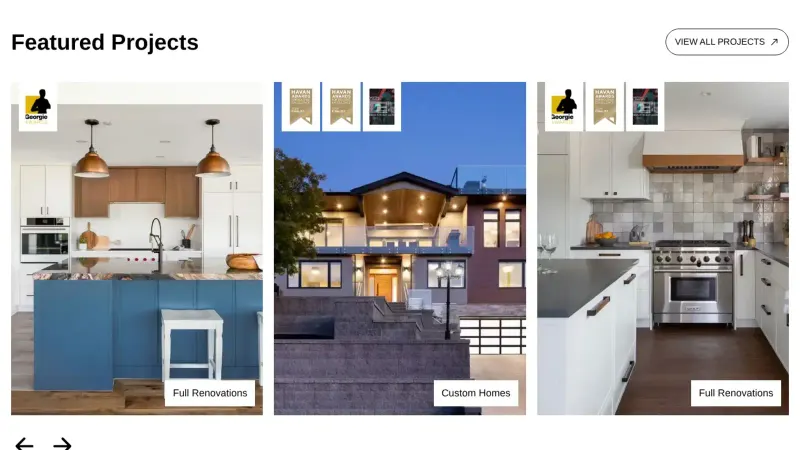
- Use construction case studies to explain decisions; use project photography to substantiate the work.
- Judge project pages by qualified enquiries and sales feedback, not image views alone.
Why this matters
A prospective client needs to know whether your experience matches the work they want done. A finished exterior photograph does not explain whether you managed the build, completed a trade package or supplied a component. Your project page should make that distinction clear.
Start your 2026 website brief with the questions buyers ask before requesting a quote. The guide to giving a marketing agency a useful customer brief helps connect those questions to the evidence your website needs. The objective is a better-informed enquiry, not a larger gallery.
What project proof should a construction agency put on your site?
Your construction website should show what you delivered, why the work was relevant to the client's requirements and what evidence supports the account. Use the following comparison to choose the right format. These are recommended uses, not claims that one format produces a particular conversion rate.
Project photographs
- Best for: Showing visible workmanship and finished spaces
- What it establishes: What the photographed work looks like
- Limitation: Images alone do not establish scope, responsibility or performance
Written case study
- Best for: Explaining a relevant, complicated assignment
- What it establishes: Requirements, decisions, responsibilities and documented results
- Limitation: Needs project-team input and factual review
Before-and-after sequence
- Best for: Showing a visible change
- What it establishes: The difference between documented project stages
- Limitation: Different angles and lighting make comparisons harder
Project video
- Best for: Explaining movement, access or construction details
- What it establishes: Spatial relationships and visible processes
- Limitation: Important facts still need accessible written context
Approved client feedback
- Best for: Addressing a specific concern about working together
- What it establishes: The client's stated experience
- Limitation: Praise does not independently verify technical performance
The strongest project page combines visible evidence with an accurate explanation of responsibility. A photograph attracts attention; the supporting account gives a buyer something useful to assess.
Do not describe a subcontracted installation as a complete build. Name your contribution and credit other parties where required. Precise attribution makes your experience easier to evaluate.
Start with a project fact sheet
Before writing the page, ask the project lead to confirm these fields:
- Project type: State the building, renovation or trade work involved.
- Client requirement: Explain the problem or requirement that shaped the assignment.
- Your scope: Distinguish your contract from work performed by others.
- Relevant constraints: Include verified access, sequencing, occupancy or site restrictions.
- Decisions: Explain what your team changed or selected, and why.
- Outcome and evidence: Connect each result to records, photographs or approved feedback.
- Publication permission: Confirm which names, images and details you can disclose.
Leave out fields you cannot substantiate. An accurate account of a narrow scope is more useful than a broad claim that nobody can verify.
How should you turn completed work into a project page?
Build each page around a buyer's decision rather than the order in which photographs arrived. For a 2026 website refresh, use this sequence as an editorial process—not a promise about production time.
1. Buyer questions
Ask sales and project staff what prospective clients need to understand. A homeowner comparing renovations needs different evidence from an institutional buyer assessing occupied-site work. Select a question your completed project genuinely answers.
Review enquiry notes and proposal discussions rather than guessing. If prospects repeatedly ask who handles coordination, explain your actual coordination responsibilities on a relevant project.
2. Verified scope
Have the project lead identify the work your business performed. Check the description against the agreed scope and any approved changes. Separate responsibility for design, supply, installation and overall management where those distinctions matter.
Record the project status accurately. Work-in-progress images should not appear beneath language that implies the entire project is complete.
3. Matched evidence
Choose images and documents that support the account. A close-up can show a particular finish; a wider image can explain where it sits within the project. Neither establishes a hidden assembly's performance without supporting evidence.
Write captions that identify what the buyer is seeing and why it matters. Avoid captions that simply repeat the page heading.
4. Approved publication
Confirm permissions before publishing client names, identifiable spaces, people, drawings or testimonials. Check contractual restrictions and ask the appropriate client representative to approve sensitive details. Permission to perform the work is not a substitute for checking publication rights.
Keep the approval with the source material. That gives your team a reference when the same evidence appears in a proposal, advertisement or later website update.
5. Measured enquiries
Give the reader a next step related to the project. Ask for enough job information to assess fit, then carry that information into sales follow-up. Record whether the enquiry matches the services, geography and project requirements your business accepts.
Decide what the buyer needs to know before choosing the photographs.
What makes project proof relevant to different construction buyers?
Relevance comes from a shared buying problem, not just a shared building type. A Vancouver renovation project can demonstrate how you handled access restrictions, but only if those restrictions existed and the project account documents your response. Do not add local complications merely to make the story sound familiar.
Use the buyer's requirements to select the detail:
- Homeowners: Explain the agreed work, visible changes and documented arrangements affecting their use of the property.
- Commercial clients: Show the relevant scope, coordination responsibilities and verified operating constraints.
- General contractors: Make your trade contribution, interfaces and responsibilities easy to identify.
- Public institutions: Present evidence against the stated requirements and respect disclosure restrictions.
These are editorial starting points, not assumptions about every buyer. Your customer research should determine which questions deserve the most space.
For each project, explain the decision behind the work. Naming a material is less informative than explaining the verified requirement it addressed. Avoid claiming that a choice reduced maintenance, improved safety or extended service life unless you have evidence for that outcome.
Why does the project proof your site needs vary?
Your 2026 project library should reflect the work you want to win and the evidence you are authorised to share. Use these factors to decide what each page includes:
- Buyer questions: Research determines whether the page needs to explain workmanship, coordination, project fit or another concern.
- Contract scope: A specialist trade should describe its contribution rather than imply responsibility for the entire development.
- Project constraints: Verified access, sequencing and occupancy conditions give context to the decisions made.
- Evidence quality: Available photographs, records and approved feedback determine which claims the page can support.
- Publication rights: Client agreements and permissions determine what you can identify or display.
- Commercial fit: Your target work and delivery capacity determine which completed projects deserve prominence.
Do not give every project the same template depth. A straightforward assignment needs a clear account. A complicated assignment needs enough explanation for the buyer to understand the decisions without burying the relevant facts.
How should a construction agency measure whether project proof works?
Agree on the business question before choosing the report. If the objective is better-fit enquiries, assess project-page activity alongside the work requested and the sales team's qualification decisions. Page views alone do not tell you whether visitors have suitable projects.
Use the same definitions across marketing and sales. The guide to what a construction marketing agency should count as a lead explains the distinction your reporting needs to preserve.
For your 2026 reporting plan, connect website enquiry records with the project page where that information is available. Ask sales whether the prospect referenced a particular job, photograph or explanation. Keep observed behaviour separate from what the prospect explicitly tells you.
Compare projected and actual results, including shortfalls. If the pages attract enquiries outside your scope, review their wording, placement and targeting. If relevant enquiries do not become proposals, investigate the qualification and sales process rather than assuming the website caused the loss.
What should you expect from the agency producing the proof?
Setsail Marketing is best for construction businesses that want customer research carried through website execution and measurement. The work starts with how buyers discover, compare, trust and choose a contractor, then uses that understanding to guide project selection, copy, creative and channel priorities.
Setsail Marketing's construction marketing agency work connects strategy with in-house delivery. The strategists remain involved during execution, and reporting compares projected results with actual results, including misses. Scope follows the business problem rather than a mandatory service bundle.
The trade-off is participation. Your project team still needs to verify facts, explain decisions and secure approvals; an agency cannot replace those responsibilities. Setsail Marketing's construction marketing agency approach also requires agreement on what constitutes a useful enquiry before the reporting can test that objective.
Book a Growth Strategy call to discuss the gaps in your project proof. The call is free, lasts 30 minutes and carries no commitment. A subsequent paid Growth Strategy is a separate engagement: you keep the strategy, and its deposit is credited toward the project if you proceed. Its researched recommendations and fixed 90-day delivery plan support execution; projected returns and payback remain estimates, not guarantees.
Book a Growth Strategy call
Free, 30 minutes, no commitment. Discuss your goals and the project evidence buyers need.
Can you publish a useful project page without naming the client?
Yes. Describe the authorised project type, your scope and the verified decisions without identifying the client. Remove details that would defeat the confidentiality requirement, and obtain approval for the anonymised version.

Should every project page include a testimonial?
No. Include client feedback when it addresses a relevant concern and you have permission to publish the exact wording. A factual project account remains useful without a testimonial; never fill the gap with invented praise.
Should an unfinished project appear on your website?
Yes, if you clearly label its status and have permission to share it. Describe completed work accurately and distinguish planned outcomes from documented results. Update the page when its status changes.
FAQ
What's the best project proof for a construction website?
The best project proof connects approved images with verified scope, constraints, decisions and outcomes. Choose examples that answer the questions your target buyers ask before requesting a quote.
Are project photos enough to show our construction experience?
Project photos are not enough to explain your responsibilities or substantiate hidden performance claims. Add a factual scope description and captions that identify the work shown.
Can we use a project completed as a subcontractor?
Yes, provided you have publication permission and describe your subcontracted contribution accurately. Do not imply that you designed, managed or built elements outside your scope.
What should we do if a client will not approve photographs?
Use only the project information the client authorises you to publish. An approved written account can explain your contribution without photographs or identifying details.
How do we know whether case studies bring useful enquiries?
Connect project-page enquiry records with sales qualification and prospect feedback where available. Assess job fit and sales progression rather than treating page views as evidence of revenue.
How long is the Growth Strategy call?
The Growth Strategy call lasts 30 minutes and is free, with no commitment. Any subsequent paid Growth Strategy engagement is separate from the introductory call.
One last thing
Before adding more projects to your 2026 website, ask someone unfamiliar with your business to read a current project page. Can they tell exactly what you were responsible for? If not, fix that sentence before commissioning another photograph.
Clear responsibility is project proof. A beautiful image cannot answer a question the page never addresses.