1 | Websites are still the No. 1 rainmaker
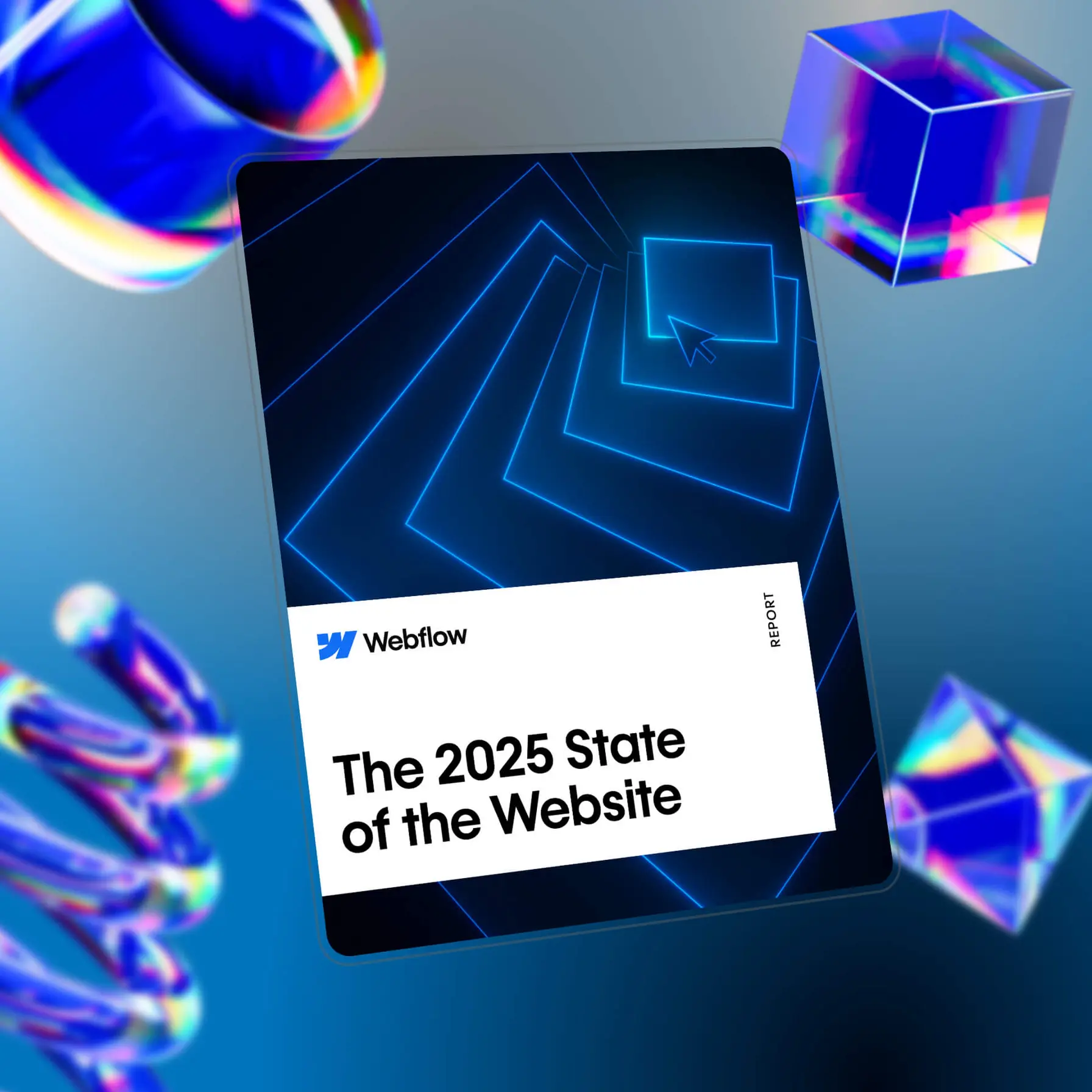
Webflow asked 500 North-American marketing leaders which channel drives the most revenue. 91 % pointed to the website—nothing else came close . That echoes what we see daily as a Vancouver performance marketing agency: when the site hums, ad spend and outbound close faster.
My takeaway: if your homepage can’t be traced to pipeline, it’s not a design problem—it’s a P&L problem.
2 | Tool-sprawl is killing margins
The report shows 90 % of teams expanded their web tech stack last year, yet only 17 % think that stack actually works . I’ve been guilty—adding CRO widgets, headless CMS experiments, AI chatbots—until ops costs crept up. We now run a “one-in, one-out” policy:
- Revenue proximity: will this tool move a KPI clients pay for?
- Admin impact: can it cut manual work by 20 %?
- Integration ease: does it plug into HighLevel via Make.com? (external)
If a tool fails two checks, it’s gone. The result: leaner Webflow website design builds and happier accountants.
3 | Collaboration—not code—is the real bottleneck
96 % of marketers say they could collaborate better with engineers . I’ve felt that friction: marketing wants iterations tomorrow; devs want specs frozen yesterday. We fixed it by moving 90 % of build work into Webflow’s visual canvas, then running a single ClickUp board for both teams.
Quick wins you can swipe:
- A weekly “Figma walk-through” so designers explain why before devs touch lines of CSS.
- A #staging-links Slack channel—no attachments, just live URLs and Loom videos.
- A seven-day SLA for minor tweaks; anything bigger becomes a sprint ticket.
4 | AI budgets are climbing—for a reason
69 % of teams already using AI will spend more in 2025 . That aligns with our own roadmap: we’re piping OpenAI GPT-4o (external) into Webflow to suggest headline variants and into HighLevel to personalise follow-up emails. Early tests cut headline A/B setup time from two hours to eighteen minutes.
5 | Narrative pause—an honest moment
A year ago I treated our own site like a brochure while obsessing over client work. Reading this report felt like a mirror: revenue targets are tougher when your “shop window” isn’t optimised. So I blocked out two dev sprints, rewrote our value prop, and gave every funnel page a single, trackable goal. Result: demo bookings doubled in six weeks. Story beats stats every time.
6 | Action plan for $1-50 M brands
Here’s the exact playbook we’re deploying (feel free to steal):
- Audit & prune – list every web tool; sunset anything unused in 30 days.
- Launch → Learn → Lift – ship one focused Webflow page bi-weekly, heat-map after 1 k visits, roll winners into core templates.
- Personalise smart, not creepy – use Segment (external) to swap CTAs based on industry tags; no “Hi $FIRSTNAME” gimmicks.
- Tie every change to revenue – dashboard shows cost per lead (CPL), close rate, and revenue per visitor. If a tweak doesn’t nudge one metric, revert.
7 | Your 60-second checklist
- ☐ Six-field max form on each landing page
- ☐ Page loads < 2 s on mobile
- ☐ Two A/B tests live right now
- ☐ Weekly sync between marketing + dev
- ☐ AI script proposing next headline or hero image
Teams that tick all five boxes beat revenue goals twice as often according to Webflow’s data .
8 | Where Setsail Marketing fits in
We build sites the way growth teams wish agencies did: strategy-first, revenue-verified. Explore our Webflow builds for proof, or see how AI powers our performance marketing funnels. Curious who’s behind the curtain? Meet the crew on our about page.
9 | Final word (and invitation)
Webflow’s report isn’t a doom-scroll; it’s a roadmap. The brands that win will iterate faster, integrate smarter, and treat their website like the top salesperson it is. If you’re ready to make your site your hardest-working asset, book a 20-minute Growth Audit—I’ll show you the exact levers we’re pulling to hit our own targets.