
Our work for City of Coquitlam – Photo & Video Media Library
Since 2023, we have worked with the City of Coquitlam on photography and video for its public communications. The work follows the municipal calendar, from seasonal campaigns to cultural events and everyday services. Our Vancouver-based team plans shoots, handles production and editing, and organises the finished material in the city’s media library. Departments can find footage and photographs for social posts, websites, advertising and documents without commissioning a new shoot for every request.

Seasonal shoots planned around city priorities
We organise production around Coquitlam’s annual calendar and departmental needs. Seasonal footage and event coverage build the collection over time, giving communications staff material for planned campaigns and a useful starting point when a new request arrives.
Photographs and video of community life
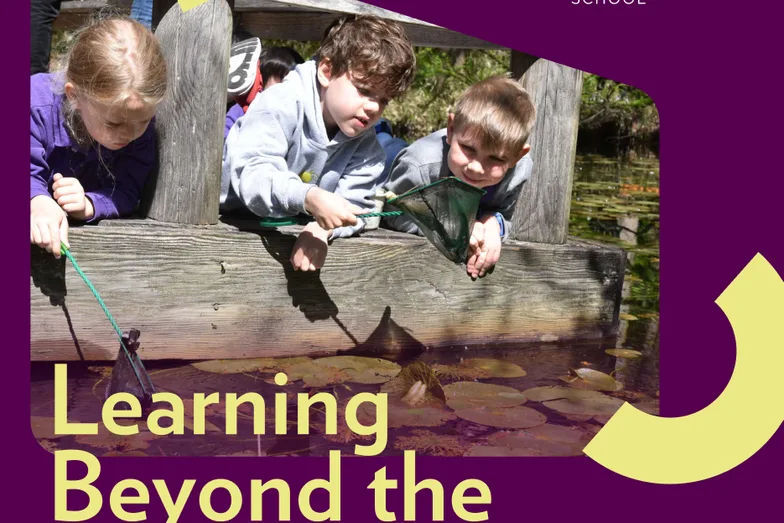
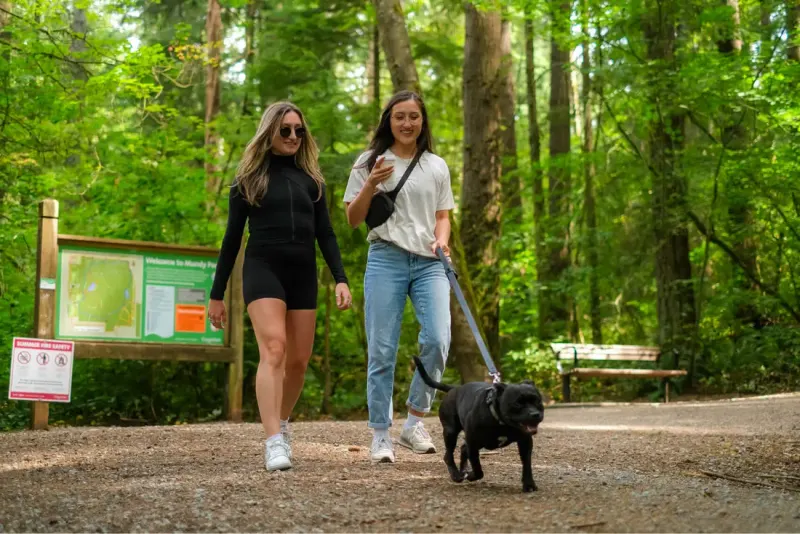
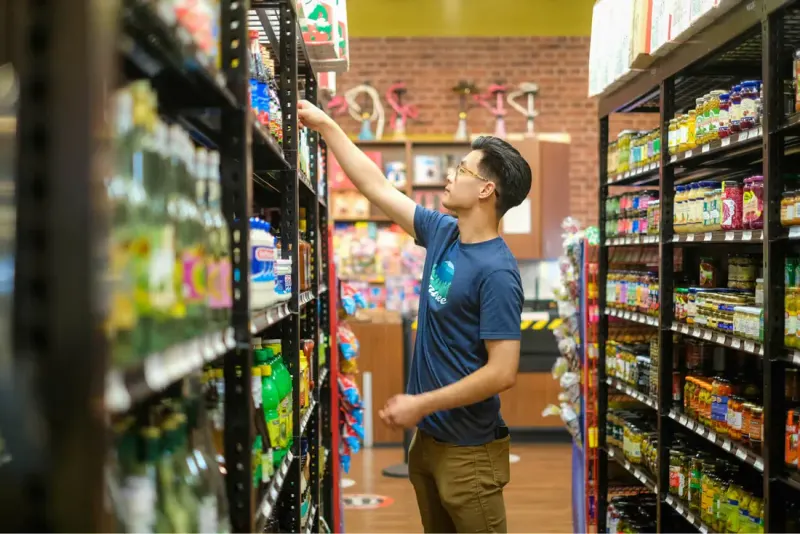
The production covers residents, public events, city services and everyday activity. We photograph and film in the community, with material reflecting Coquitlam’s people and places rather than relying on stock images to illustrate municipal life.
Edited content ready for different channels
We handle editing, graphics and delivery in the formats city departments use. Finished content is often available within days of a shoot, with versions for social platforms, YouTube, web and other communications. The organised library makes that material easier to find again.
A municipal media library built throughout the year
Coquitlam’s communications team needs to represent a city that keeps changing with the season, the event calendar and residents’ needs. Our ongoing photography and video programme gives that work a production schedule and a shared library. Planning, shooting, editing and organising the material are part of the same job, so the team can use what has already been captured as well as request new content.
An ongoing brief for city communications
We began working with the City of Coquitlam in 2023. The brief covered more than a single campaign: its team needed photography and video throughout the year for civic engagement, tourism promotion and public information. A continuing production arrangement gave those different needs a place in the schedule.
Departments were requesting content at different times, while the communications team had limited capacity to arrange every shoot itself. The city also needed a consistent way to distribute the finished work. Capturing a scene was only part of the task; staff had to know what existed and where to find it later.
We worked alongside the communications department to understand its priorities and plan production around them. Regular shoots would build the collection, while event coverage and campaign-specific requests would keep it current. That combination became the basis of the city’s internal media library.
Planning for different departments
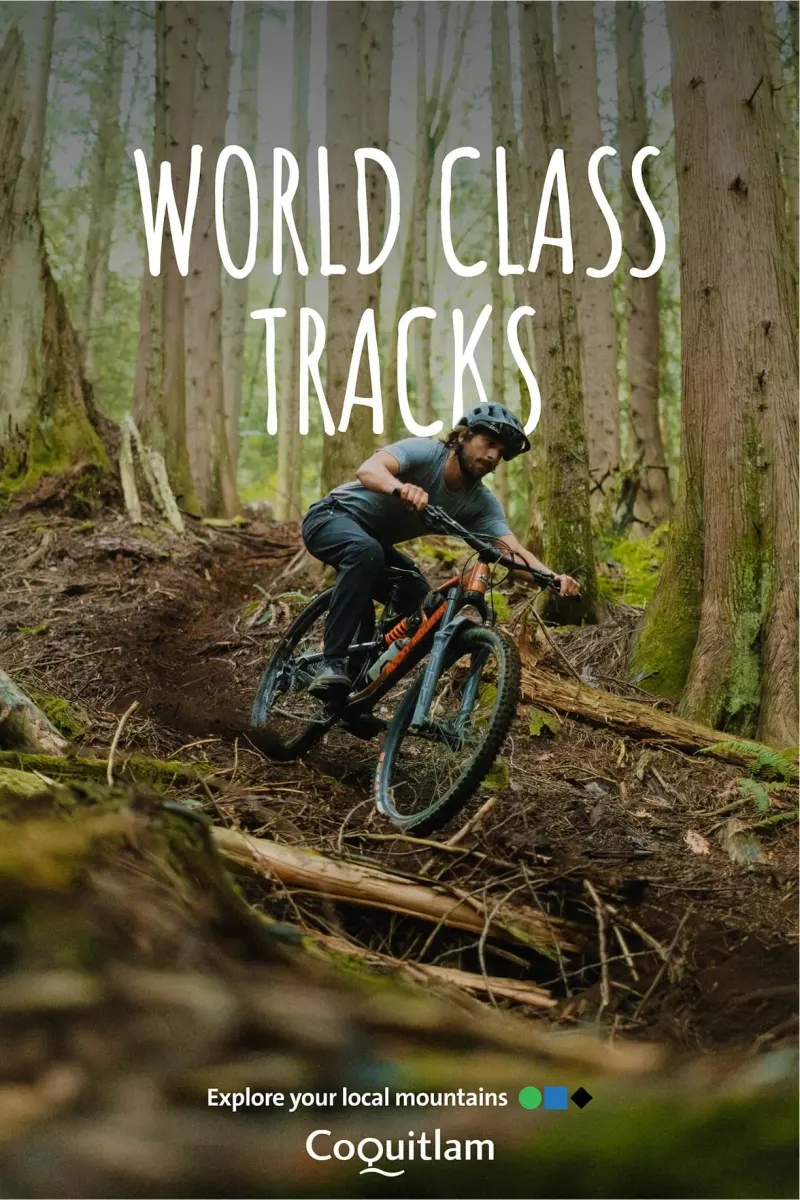
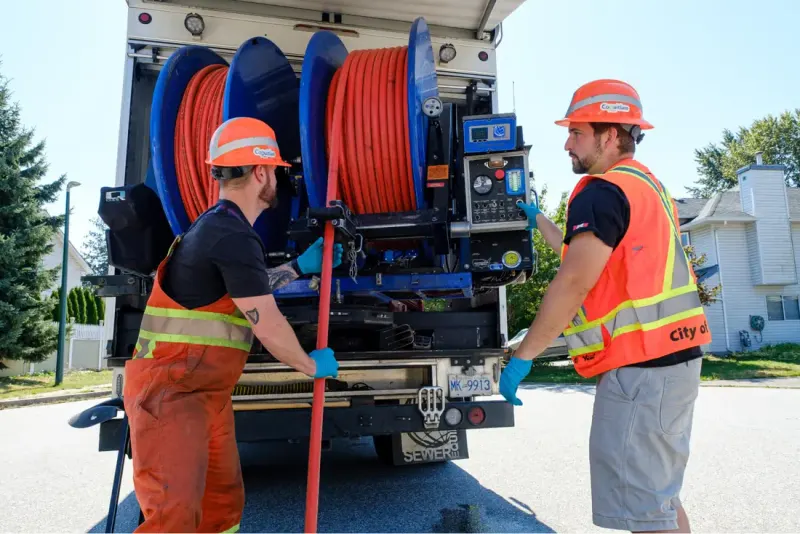
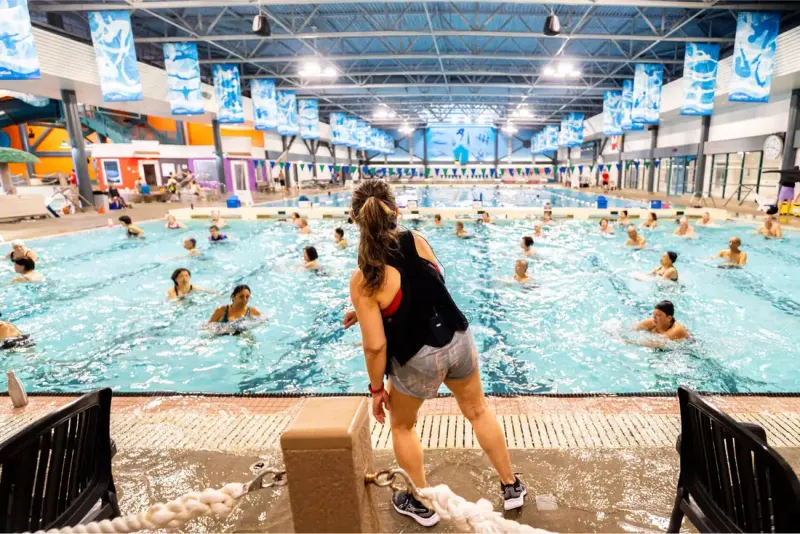
We started with how the material would be used. Parks and Recreation needed images of community activities. Emergency Services needed footage for public-safety communications. Economic Development wanted to feature local businesses, while tourism work depended on showing the city through different seasons.
The same collection needed to support web, ads and social media content. That affected what we filmed and photographed, the formats we delivered and the way we labelled the files. A useful library had to serve several teams without requiring each one to organise its own separate production.
We organised the work around five recurring needs:
- Seasonal coverage. Shoots across all four seasons provide material for festivals, cultural events, environmental campaigns and other recurring communications.
- Departmental priorities. Each production cycle takes account of the city’s current briefs, rather than collecting footage without a planned use.
- Channel versions. Editing and formatting cover YouTube, Instagram, documents, display advertising and web placements.
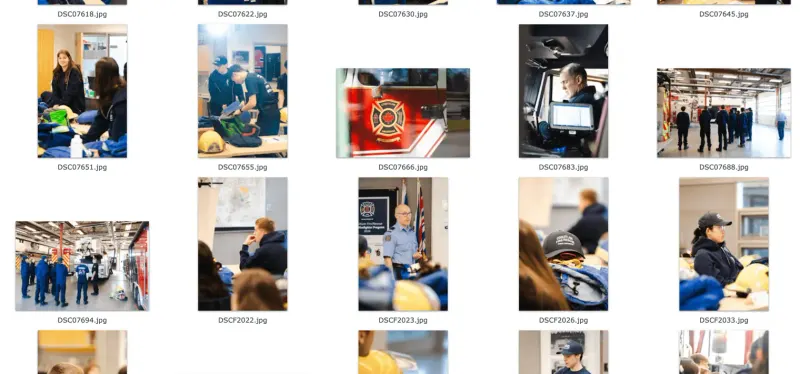
- Library management. Photos and footage are tagged, sorted and uploaded so the communications team can search the collection.
- Short-turnaround delivery. Edited content is often delivered within days, supporting seasonal work and requests that cannot wait for the next large campaign.
Filming and photographing the community
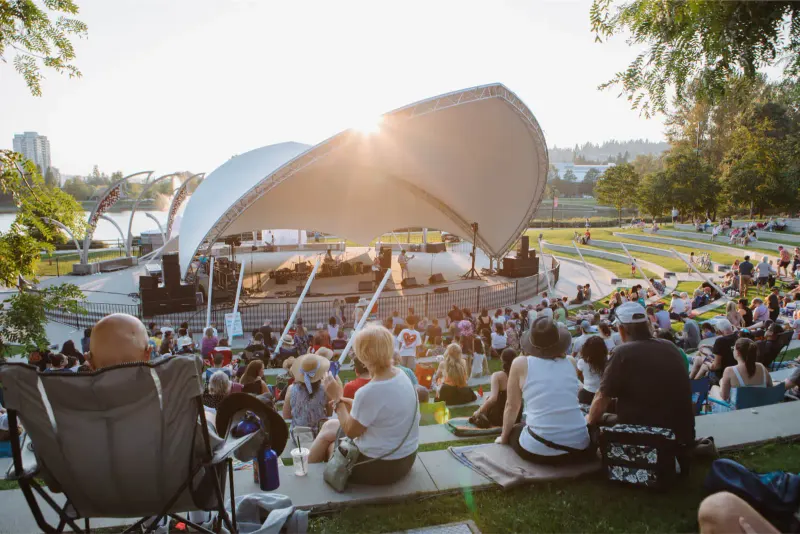
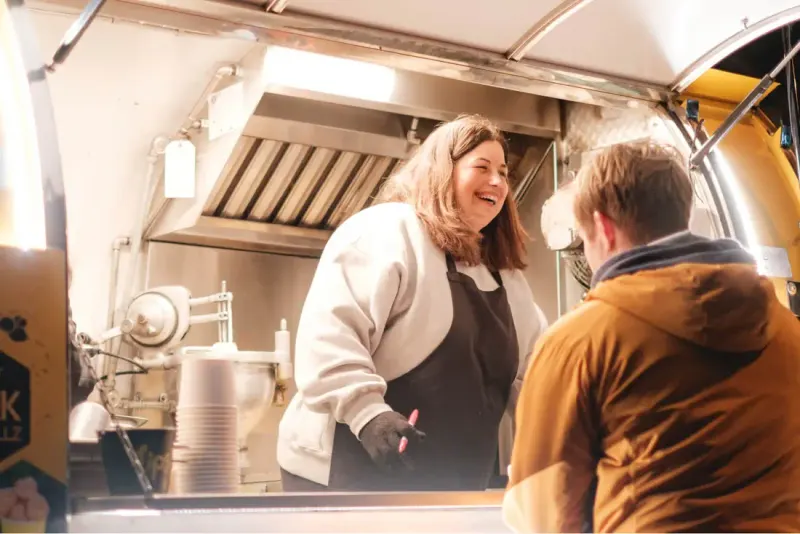
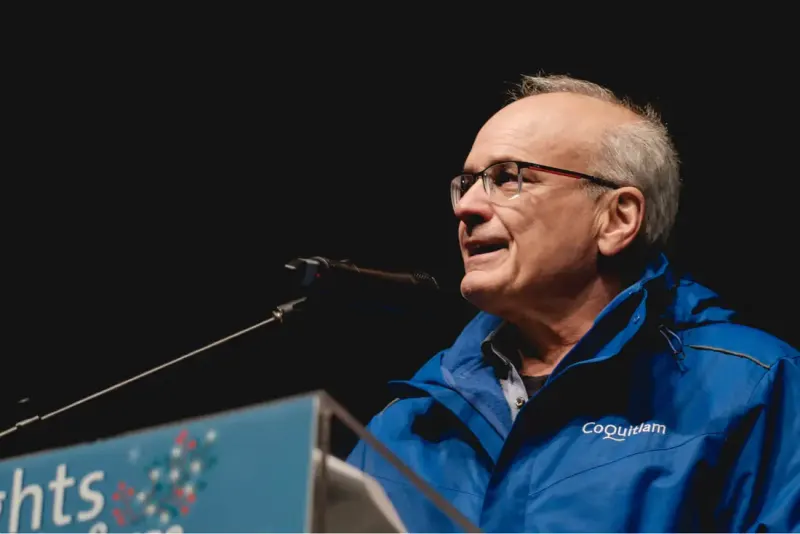
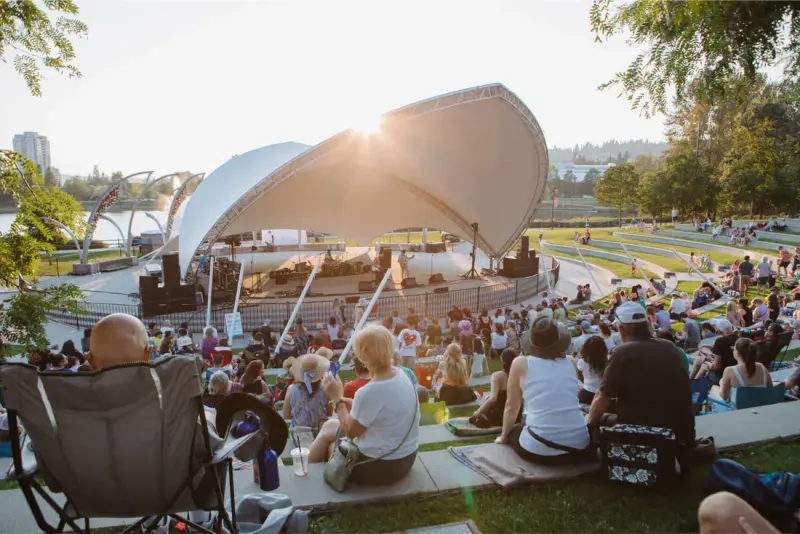
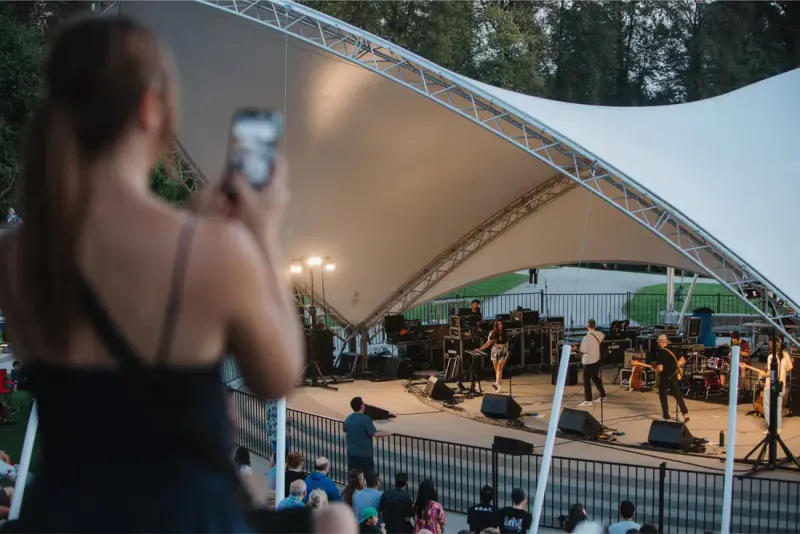
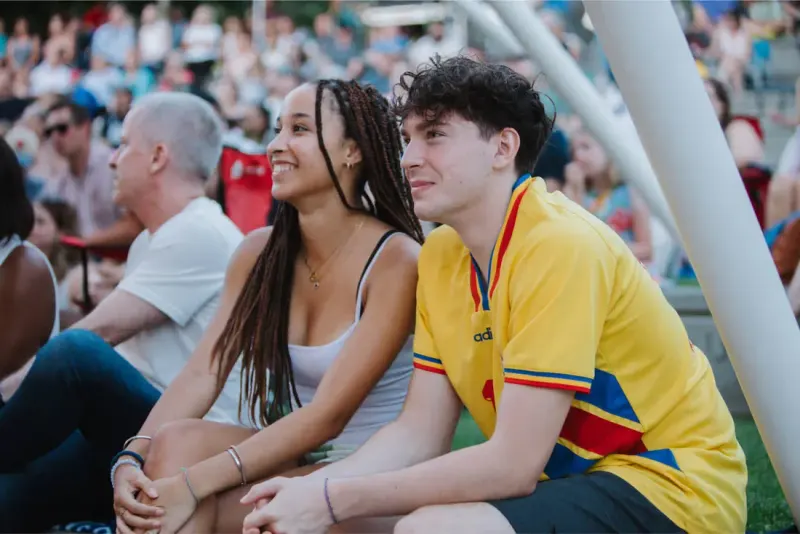
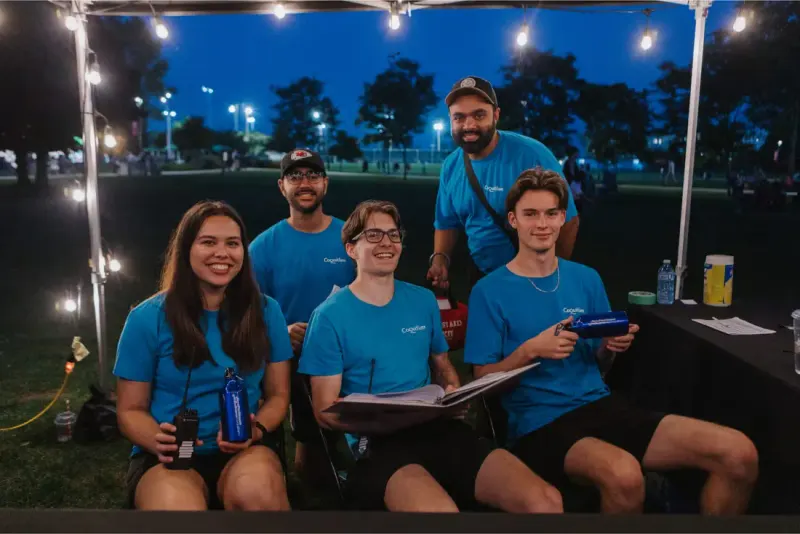
Coverage has included 7am trail cleanups, Diwali festivals and Canada Day events. Those occasions supply different views of municipal life, from volunteers and public services to large community celebrations. They give staff a wider choice when illustrating a story about Coquitlam.
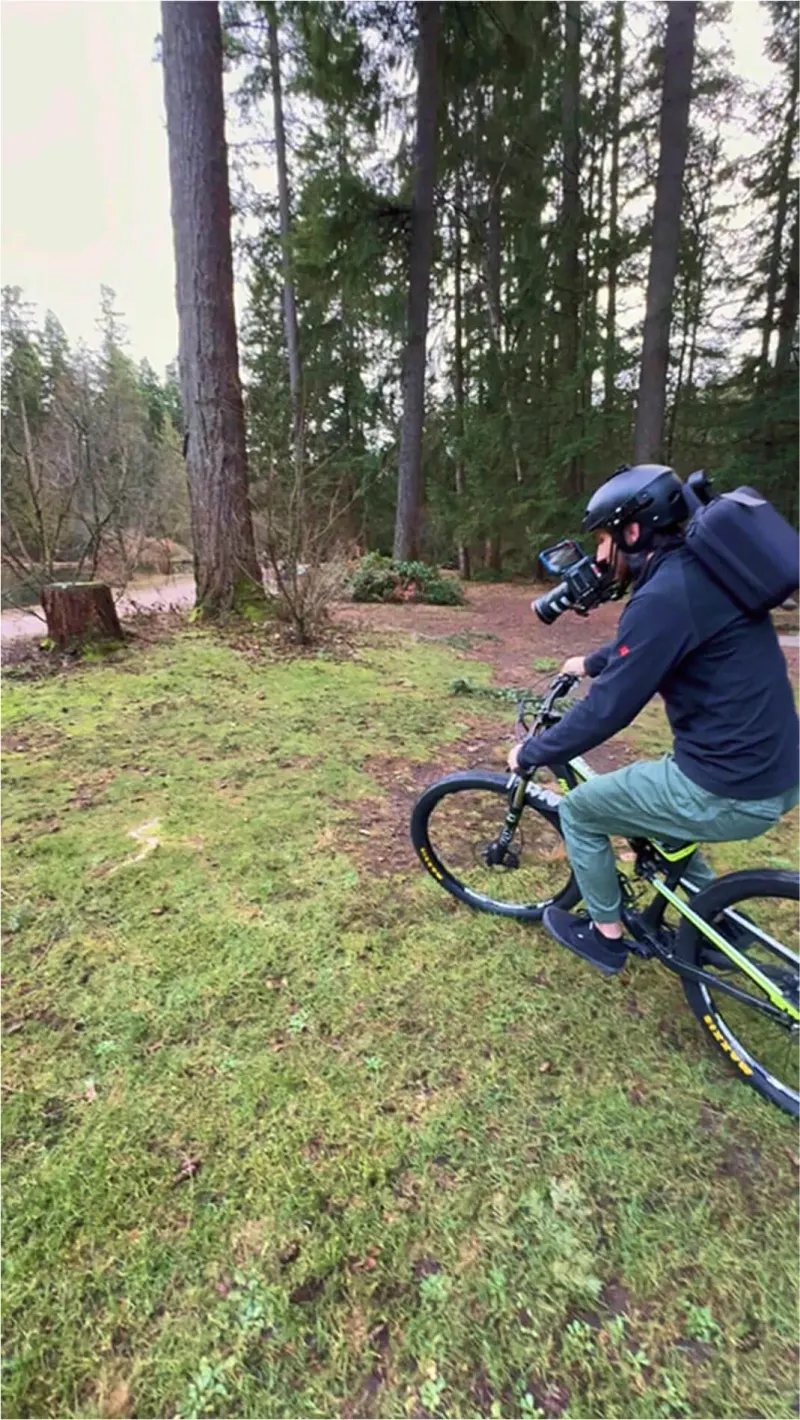
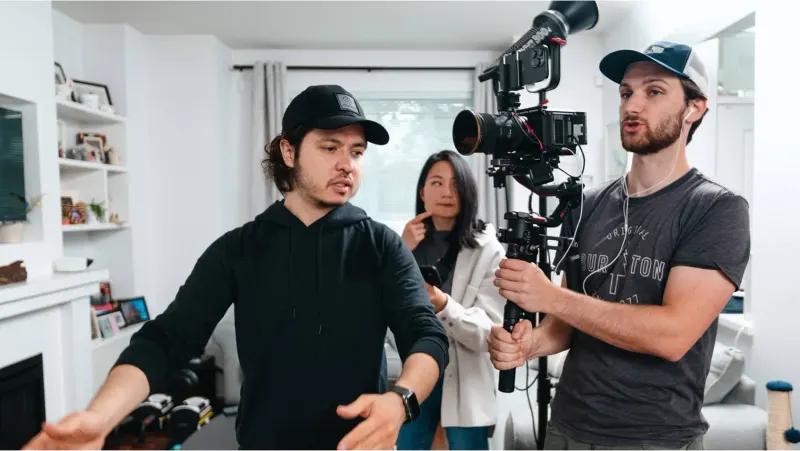
On the video side, we shoot in 4K using gimbals, drones and high-frame-rate footage for slow-motion sequences. Our team also handles editing, motion graphics and music licensing, then prepares the required aspect ratios for Instagram Reels, YouTube, Facebook and LinkedIn.
Shoots are scheduled and storyboarded in advance, with room to respond when an event changes or an unplanned moment is worth capturing. The aim is useful coverage that staff can apply beyond the day of the shoot.
What the annual production includes
The ongoing programme supplies both a large collection of new material and the work needed to keep it usable. In a given year, the production covers:
- 10,000+ professional photographs.
- 100+ long and short-form videos, including interviews, reels and campaign edits.
- Evergreen b-roll from more than 50 city locations.
- Themed reels for cultural events, seasonal campaigns and tourism.
- Social versions prepared for distribution across channels.
- Media library management, with tags, folders and usage permissions.
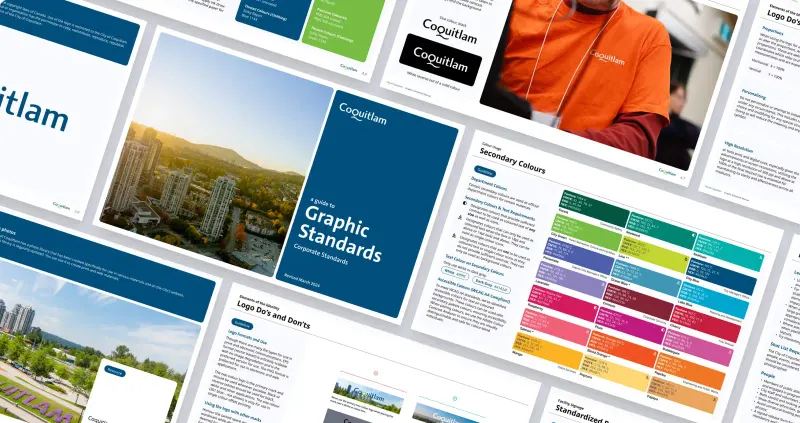
- Consistent editing aligned with the city’s identity and accessibility requirements.
Recent coverage has included police, fire and civic-response crews for safety campaigns, alongside Lights at Lafarge, Canada Day celebrations and youth sports tournaments. Live editing supports content that needs to be released while an event is still taking place.
A collection staff can put to work
The library gives the city a way to reuse its production. Staff can search for a location, service or community activity, then choose material already prepared for the channel they are working on. A new campaign does not always require a new shoot.
That arrangement has supported several operational changes:
- Quicker campaign preparation when relevant visuals are already available.
- A consistent presentation across departments using the same edited collection.
- Lower creative cost per asset through volume production and reuse.
- More locally relevant stories featuring residents and places people recognise.
- Less time searching for content through a tagged, shared archive.
Keeping the programme relevant
Working with Coquitlam throughout the year helps us learn what staff use repeatedly and where the collection needs more coverage. That informs the next production cycle. The city can plan ahead for seasonal communications while leaving space for new events and requests.
Potential additions include motion-design templates, internal training and onboarding videos, and campaign kits that other cities could reference. Each would extend the existing collection or production process rather than replace it.
The continuing work rests on a straightforward requirement: when a department needs to explain a service or share a community story, the communications team should have relevant material to draw on. Regular production, consistent edits and an organised library support that everyday use.
Project FAQs
How does year-round photography and video support city communications?
It lets a municipality plan coverage before seasonal campaigns and recurring events arrive. Coquitlam’s programme combines scheduled shoots with event and campaign work. The resulting library gives departments relevant material to reuse, while new production keeps the collection current as priorities change.
What is different about a local-government shoot?
The content needs to represent the community and explain public services clearly. We work on location with residents, staff and city teams, covering both planned scenes and events as they happen. The brief also includes how departments will use the material after the shoot.
How do you organise a municipal media library?
We use file naming, metadata, tags and folders to make the collection searchable. Usage permissions are included in the library management. Coquitlam’s team can look for material by subject, department, campaign or location and reuse it across its communications.
Which teams can use the photo and video collection?
The work supports social media, tourism, public safety, seasonal campaigns, newsletters and other city communications. Different departments draw from the same collection, with photographs and video versions prepared for web, documents, advertising and social channels.
How do we discuss ongoing municipal production with Setsail?
Book a Growth Strategy call to review the city’s audiences, content needs and annual calendar. We can assess the existing collection, identify gaps and discuss the production schedule, approval process and library organisation needed to support the communications team.