A niche book, sold from its own store at 5.2x return on Meta ads

Our work for Cinematicalism
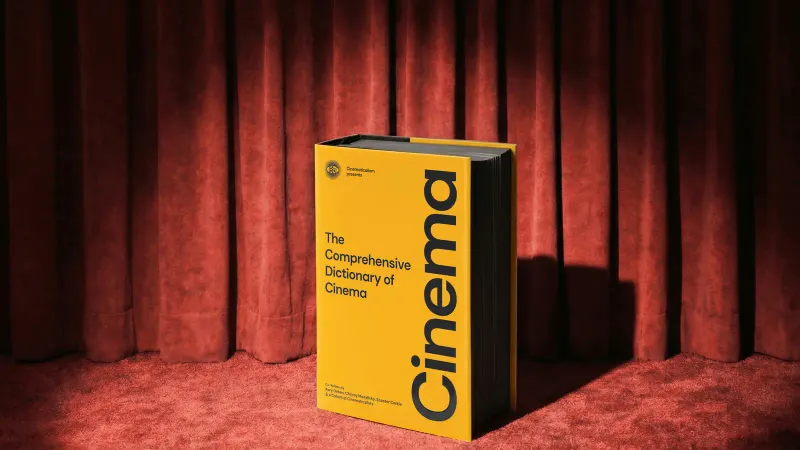
Cinematicalism’s founders had already funded The Comprehensive Dictionary of Cinema through crowdfunding. Next, they needed it to sell every day from their own shop. We wrote the plan, designed and built the store, set up the emails, shot the product in our studio and ran the Meta ads. When the founders took their second book, The Cinematicalist Logbook, to Kickstarter, we ran its pre-launch page, ads, emails and photos.
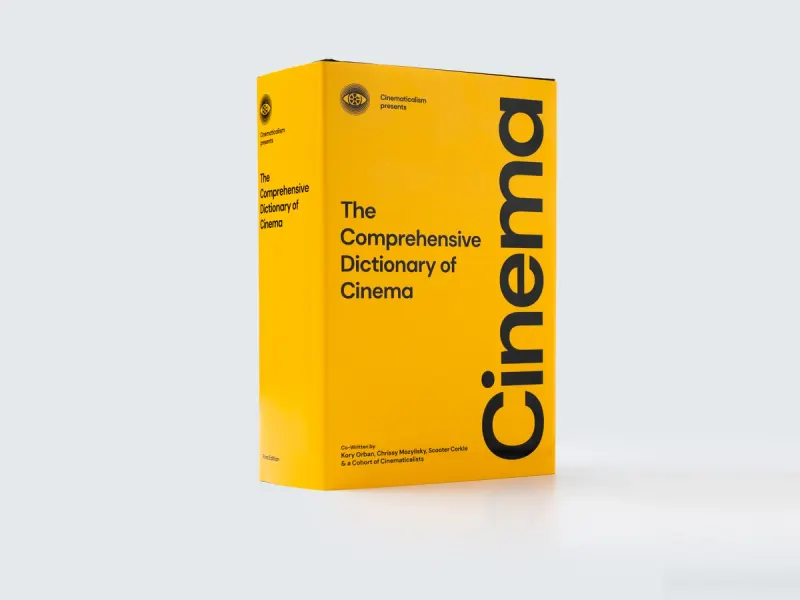
5.2x return on Meta ads
Meta-reported. Every dollar on Meta ads brought back $5.20 in sales, and no month fell below 4.6x.
11.1x from the founder’s own video
Co-founder Kory Orban made the “If you collect physical media” video. We ran it to physical-media collectors in a small test.
3.8x to 6.9x on remarketing
We narrowed the ads shown to past store visitors to recent visitors only, and the return nearly doubled.
The goal: sell a crowdfunded book every day, from its own store.
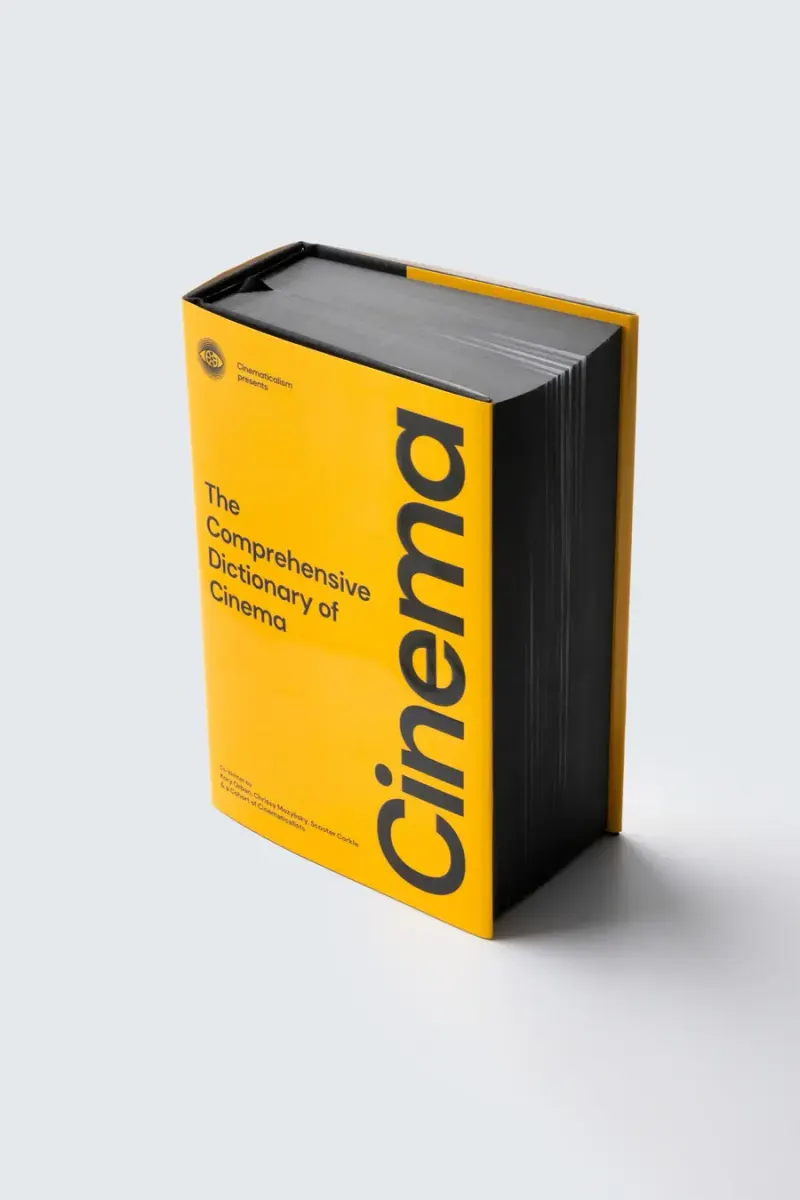
Cinematicalism is an independent publisher in Vancouver. Its first book, The Comprehensive Dictionary of Cinema, has 1,312 pages and 5,424 entries. The founders funded it through crowdfunding.
The next step was to sell it every day from their own shop. We started with a marketing deep dive. Then we wrote the plan for taking the book to market. It named three buyers: the film student, the working professional and the cinephile collector. It set three priorities: one product page built to sell, paid ads held to a clear return target, and an email list the founders own.
See the store: cinematicalism.com
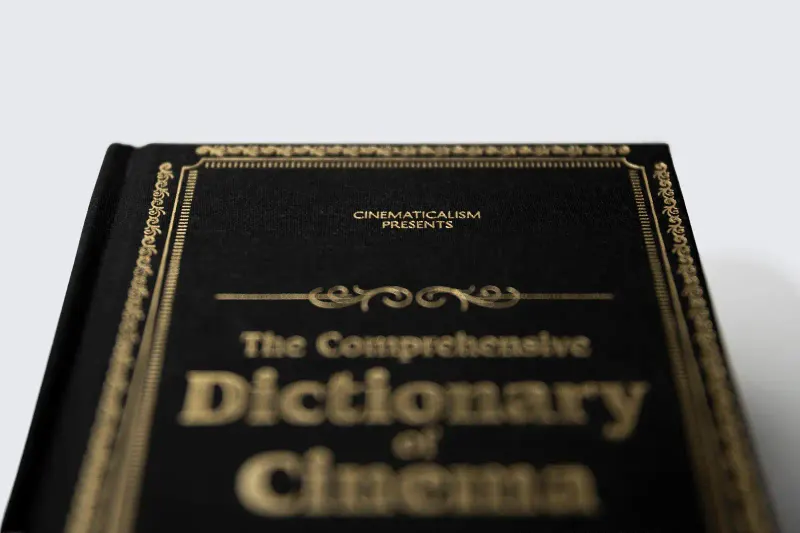
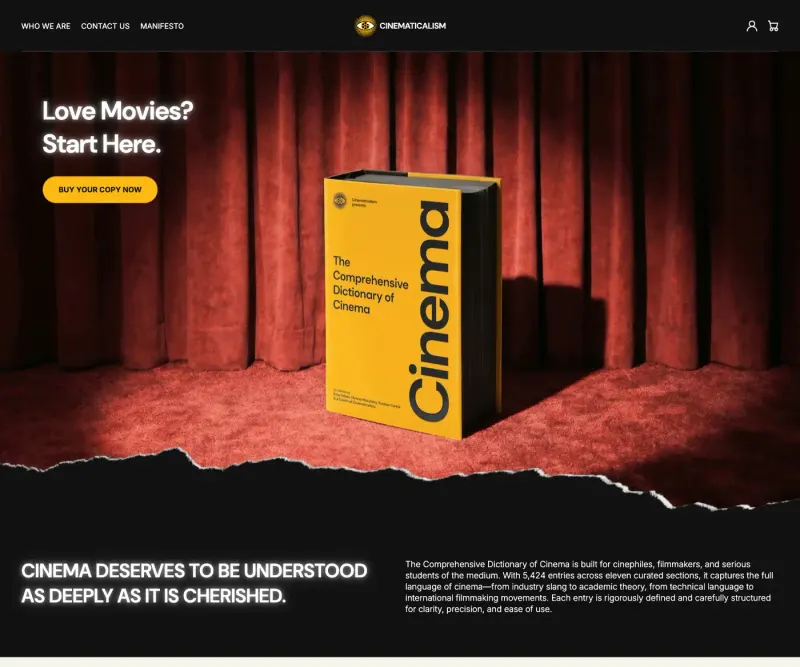
A store that looks like the book
We designed the store in Figma, round by round with the founders. The look is retro cinema: film grain, a flicker of projector light, and a red-curtain hero. Real photography only. This audience does not want AI images.
The pages answer what a buyer asks before paying: what is inside the book, who wrote it, and how shipping works. A wholesale route lets schools and libraries ask about bulk orders. Kory’s reply on launch day: “See that the websites live! Amazing.”
We kept building after launch, including new pages for the second book.
Emails that bring buyers back
We designed the emails and built them in Klaviyo. They arrive from the store’s own address. The automated emails went live with the store. One brings back shoppers who leave a copy in their cart.
For the second book we built pre-launch, launch and follow-up emails. The most engaged readers heard first. People who had already backed the book were not asked again.
Product photos from our studio
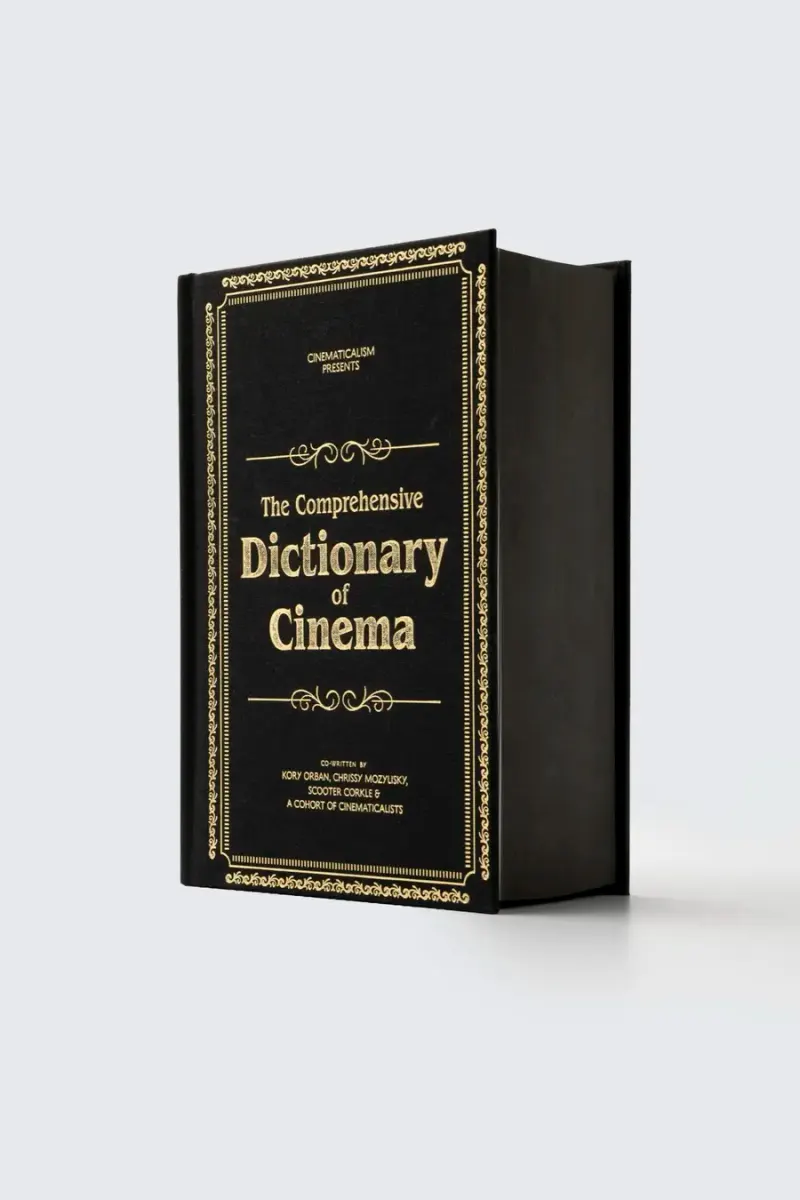
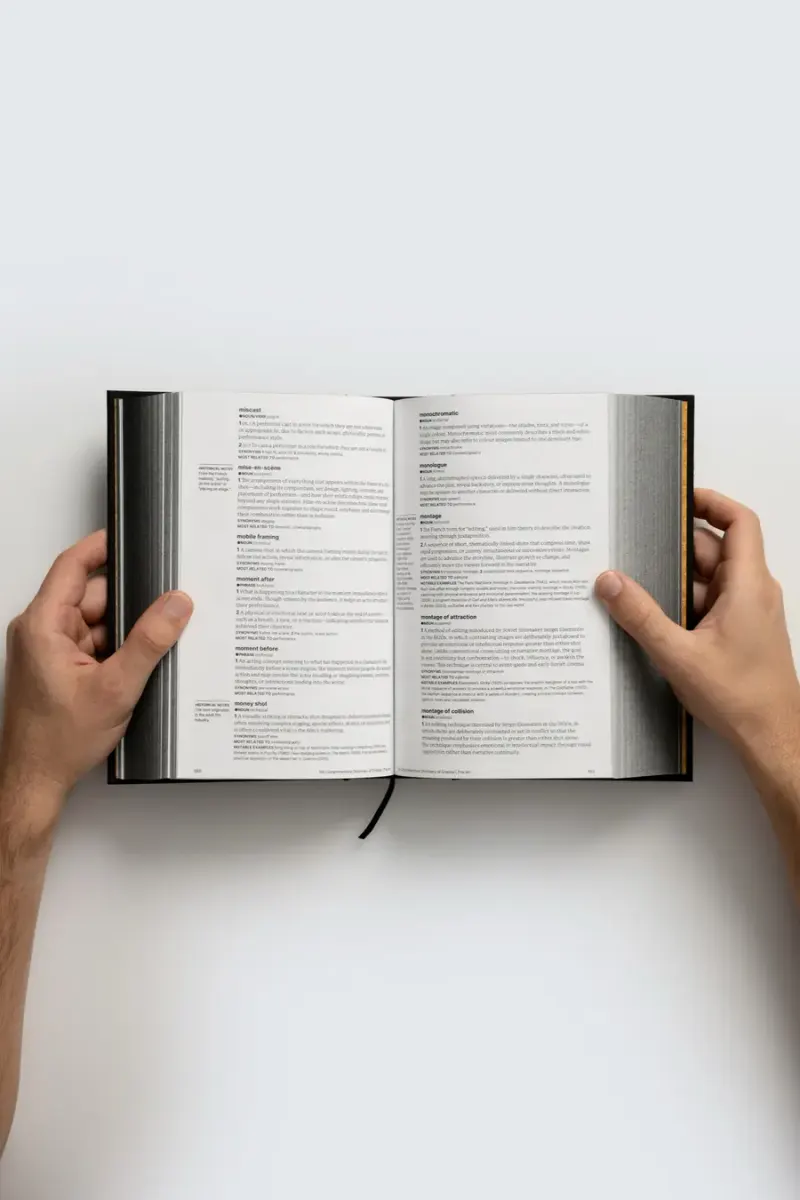
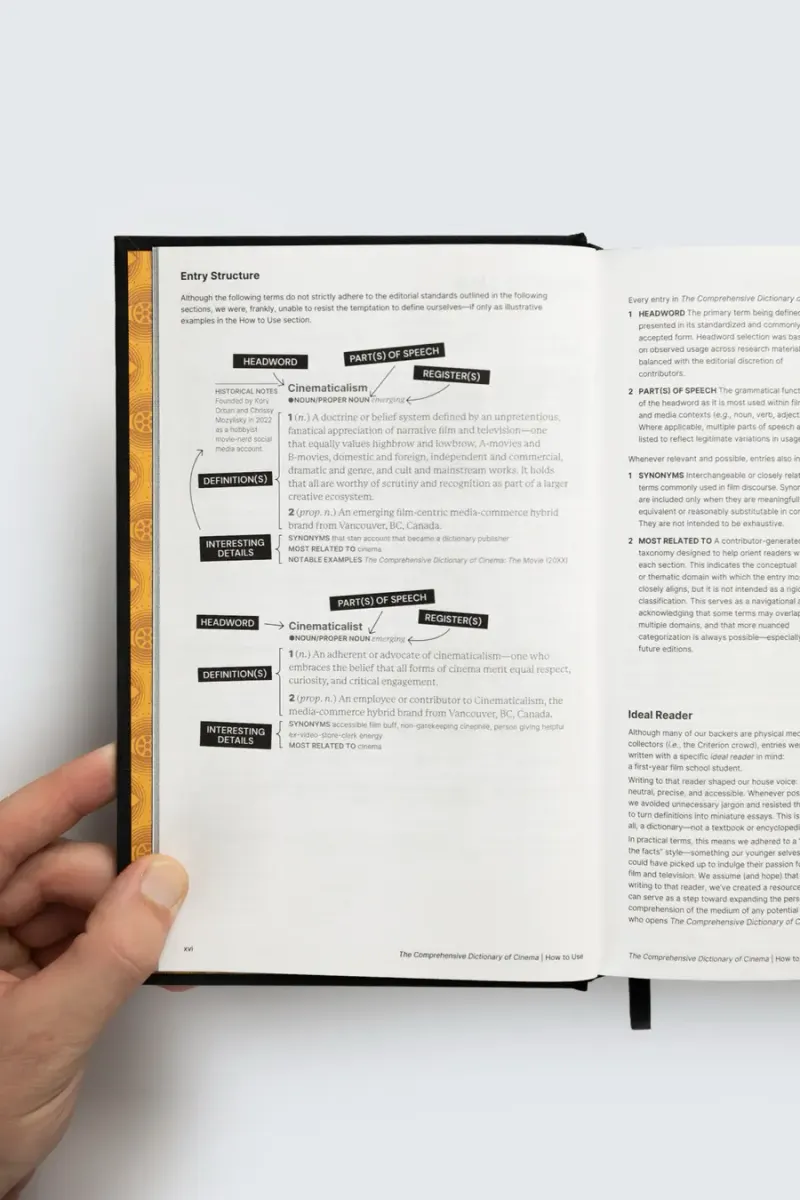
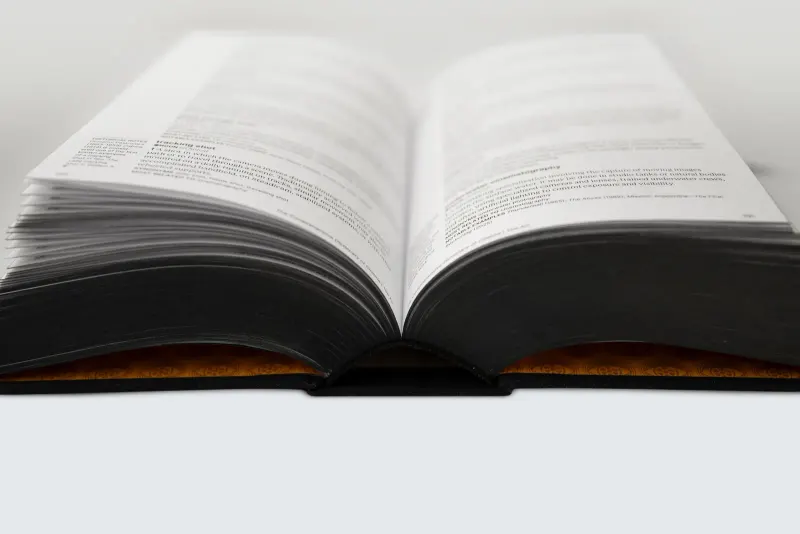
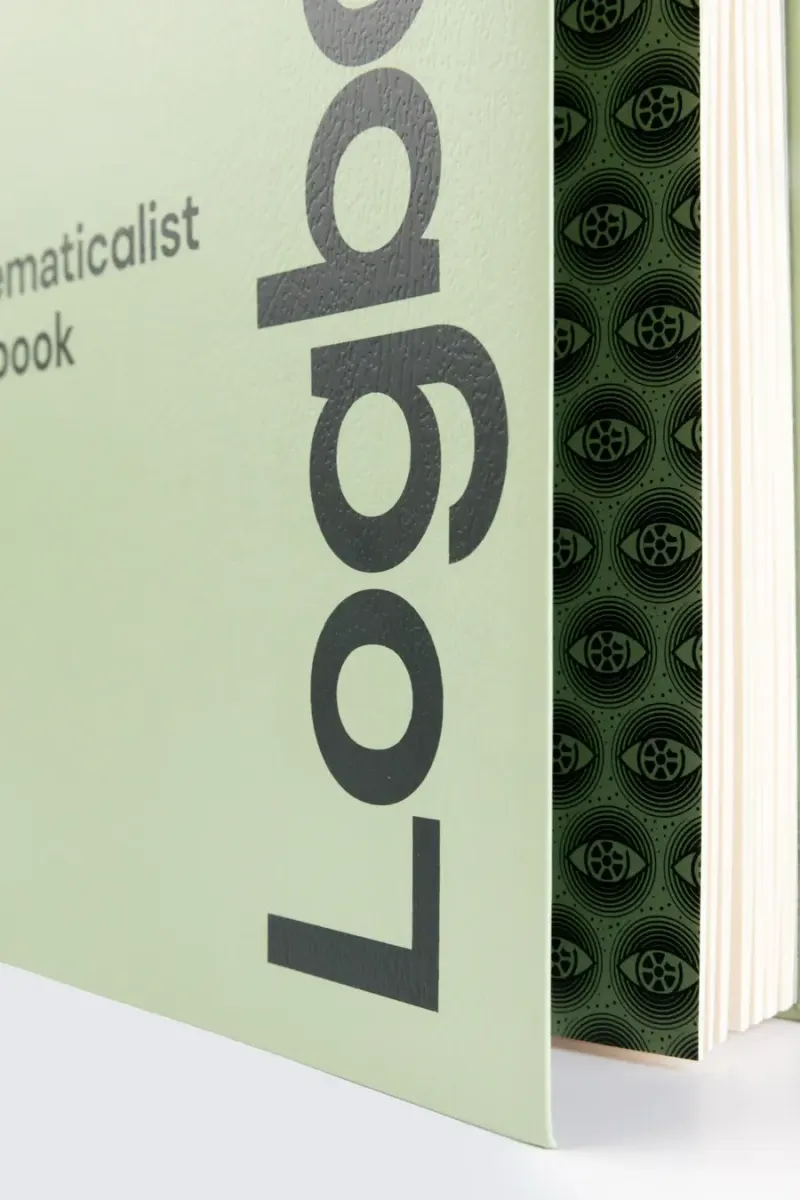
The book sells as an object, so the pictures had to show it as one. We shot the dictionary in our Vancouver studio, on a retro set with a red curtain and shag carpet. Then we shot the second book and the full range, for the store, the ads and the founders’ Kickstarter page.
Ads that read like the book
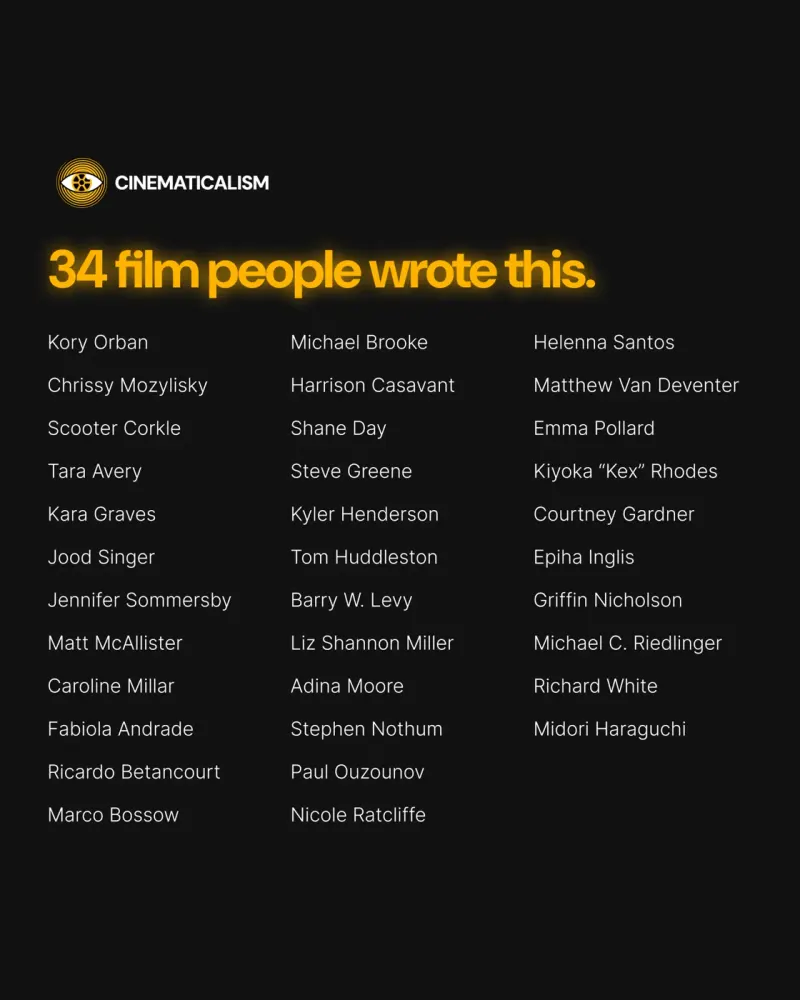
We designed still and video ads that show what is inside the book. One quotes a real definition, word for word. One maps every section and where it starts. One shows 1,312 pages as a collector’s object. One lists the contributors like film credits. We made many of the video ads ourselves, from animated definitions to close-ups of the book. We also ran the founders’ own videos, each to the buyers it was made for.
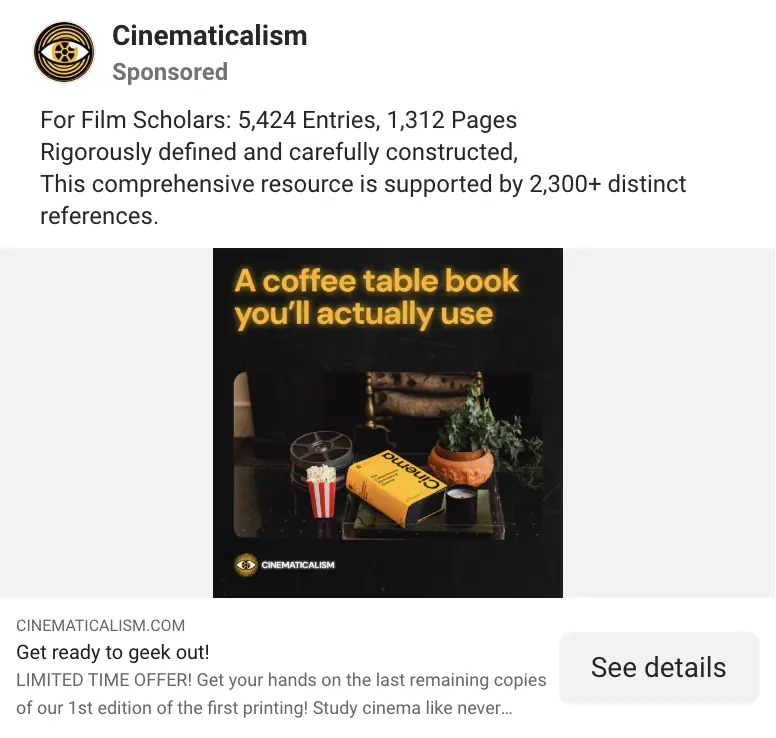
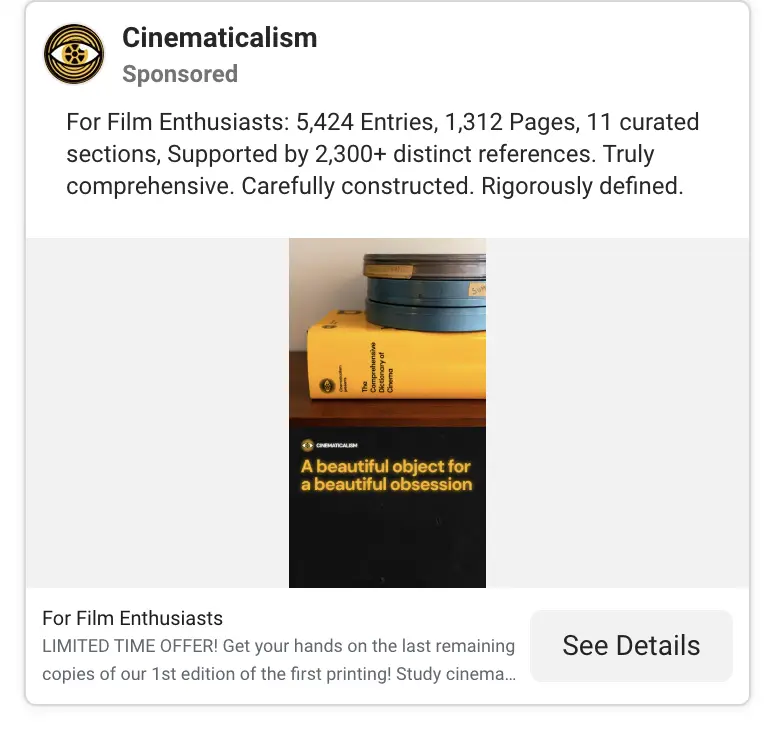
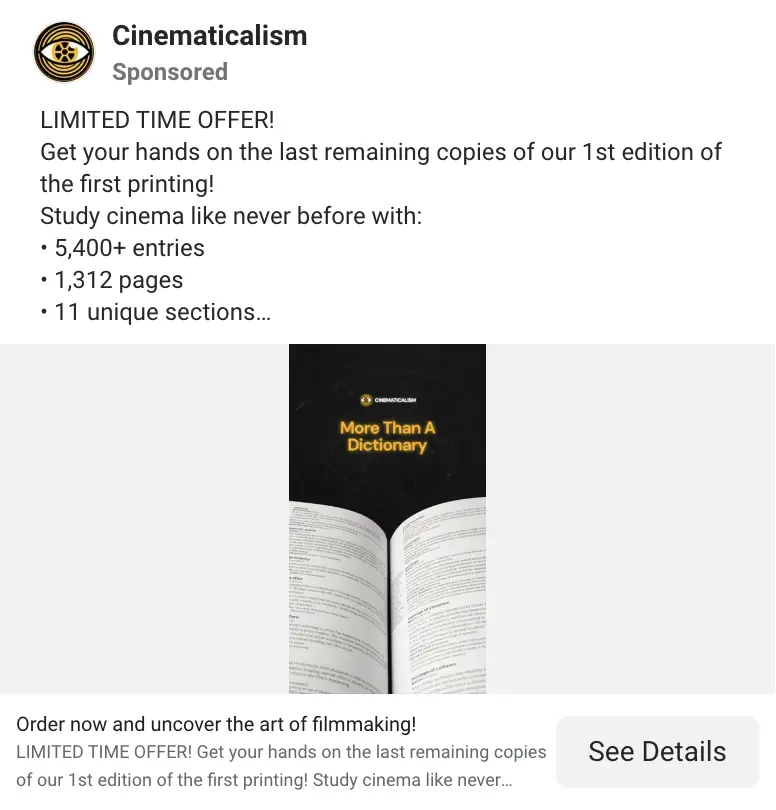
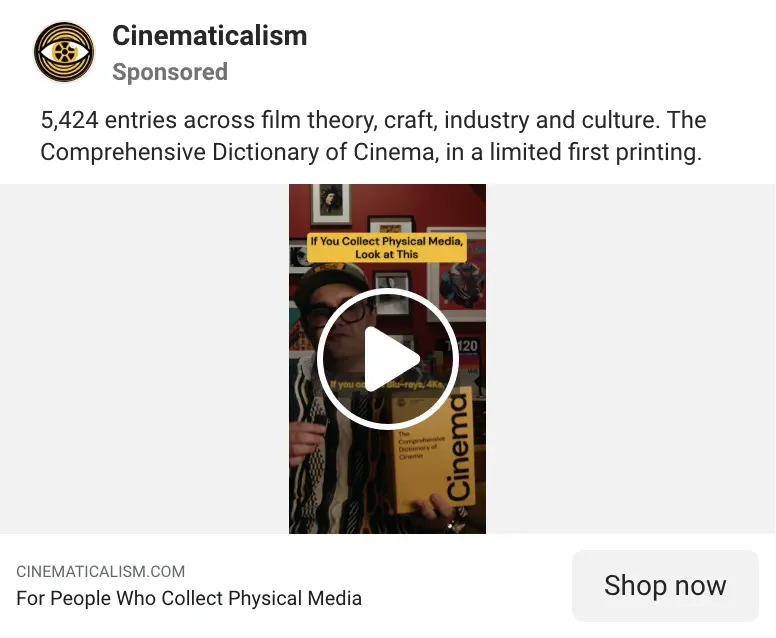
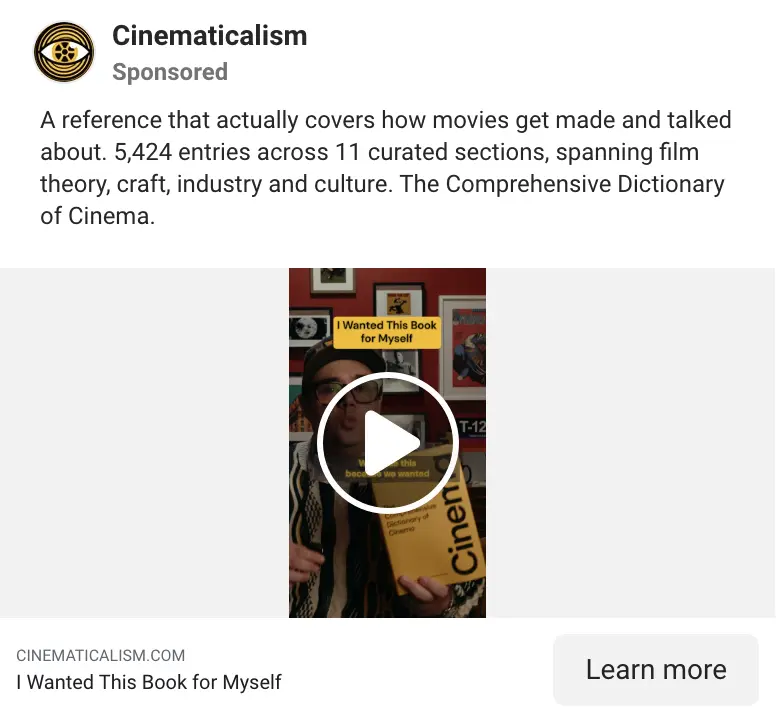
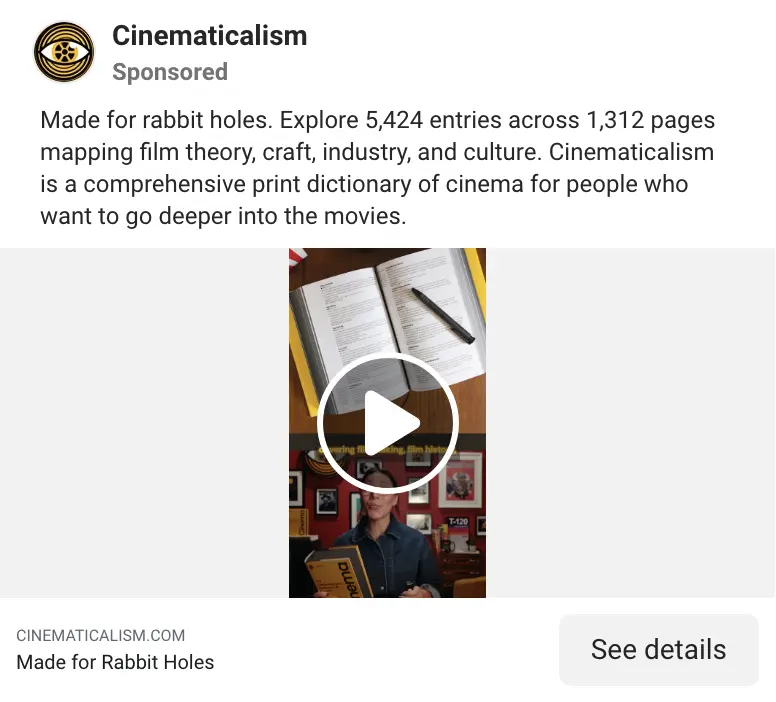
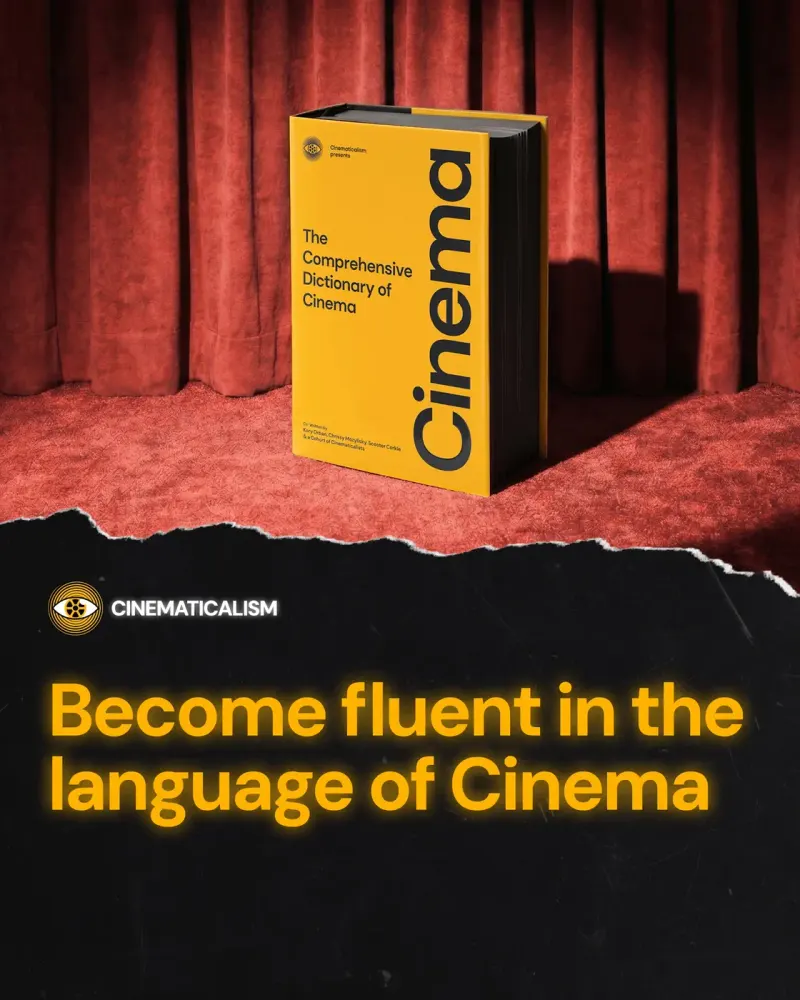
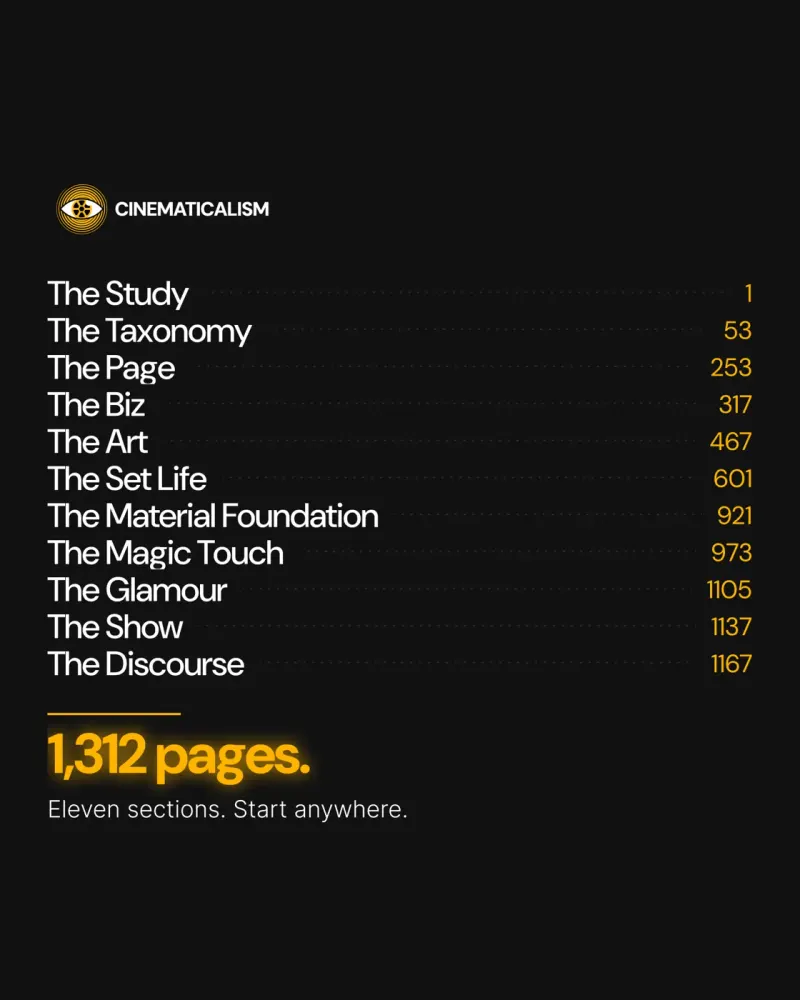

Meta ads: five kinds of buyer, five budgets
The campaigns ran on Facebook and Instagram. Each kind of film buyer got its own ads and its own budget. That showed us who was buying. Then the budget moved to them.
- Festival-goers, 7.0x. See the films first.
- Cinephile collectors, 6.4x. Buy for the shelf.
- Film students and teachers, 5.4x. Study or teach film.
- Film-software users, 4.8x. Edit and grade films.
- Working film professionals, 4.6x. Make films for a living.
Budgets grew as the results came in. We narrowed remarketing, the ads shown to past store visitors, to recent visitors only. Its return rose from 3.8x to 6.9x. The oldest buyers were the most efficient group, so we did not cut anyone out by age. Not every test paid off. Meta’s automated Advantage+ campaign returned 4.2x, against 5.5x for our main audience campaign. So we moved its budget to the audiences that sold.
Figures are Meta-reported for the dictionary campaigns, with sales counted in US dollars.
Cinematicalism
I am extremely happy and grateful for how you have done on the social media advertising. You’re totally crushing it.
Book two: The Cinematicalist Logbook
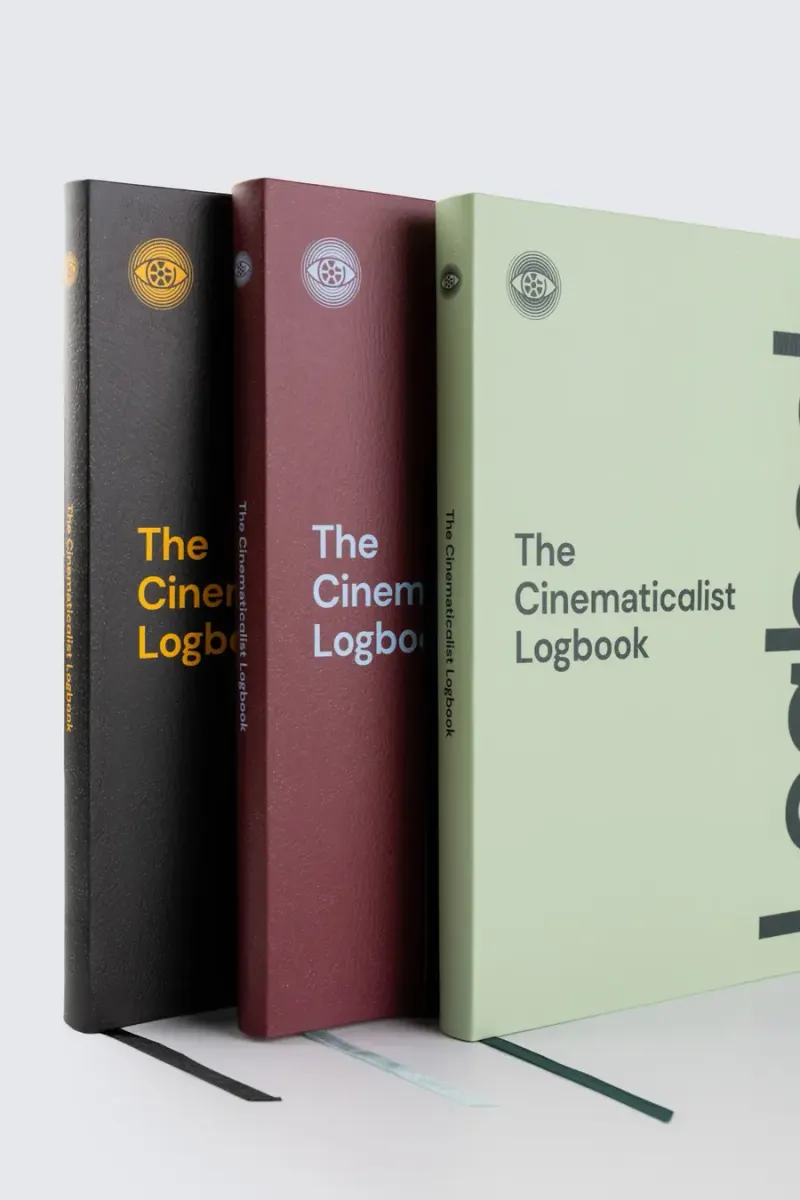
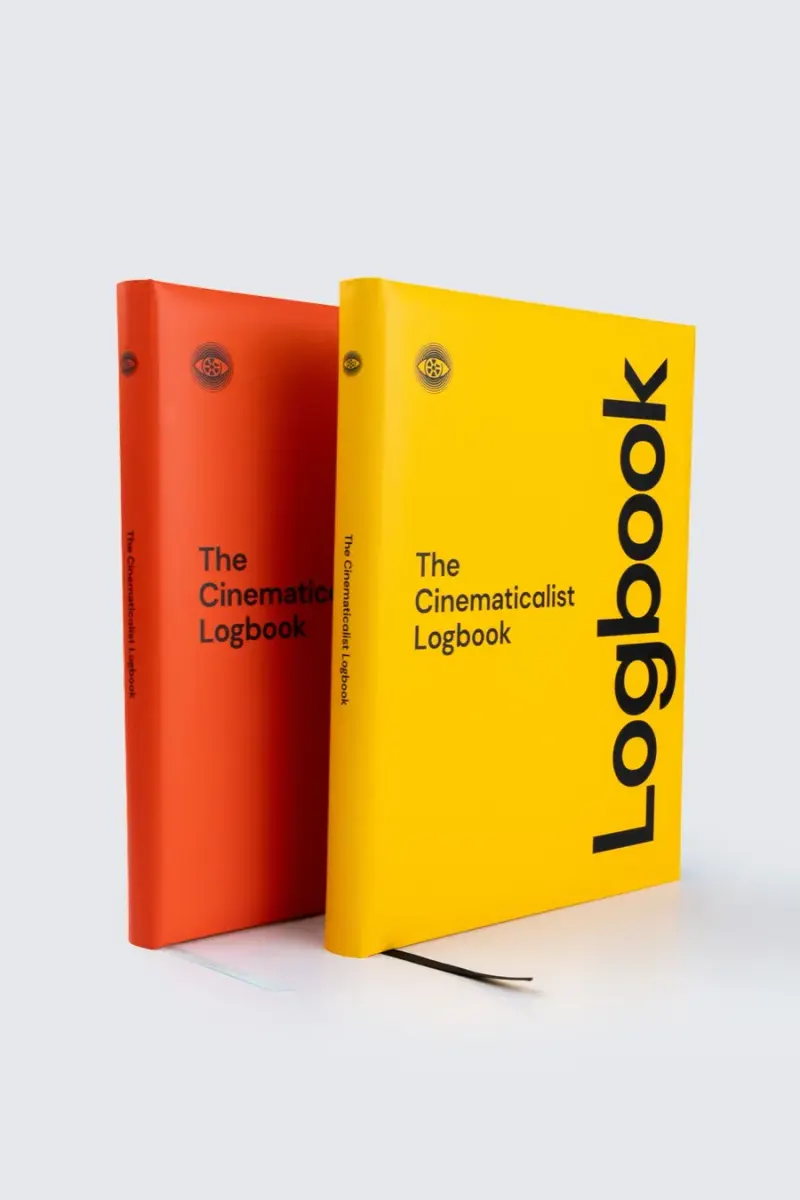
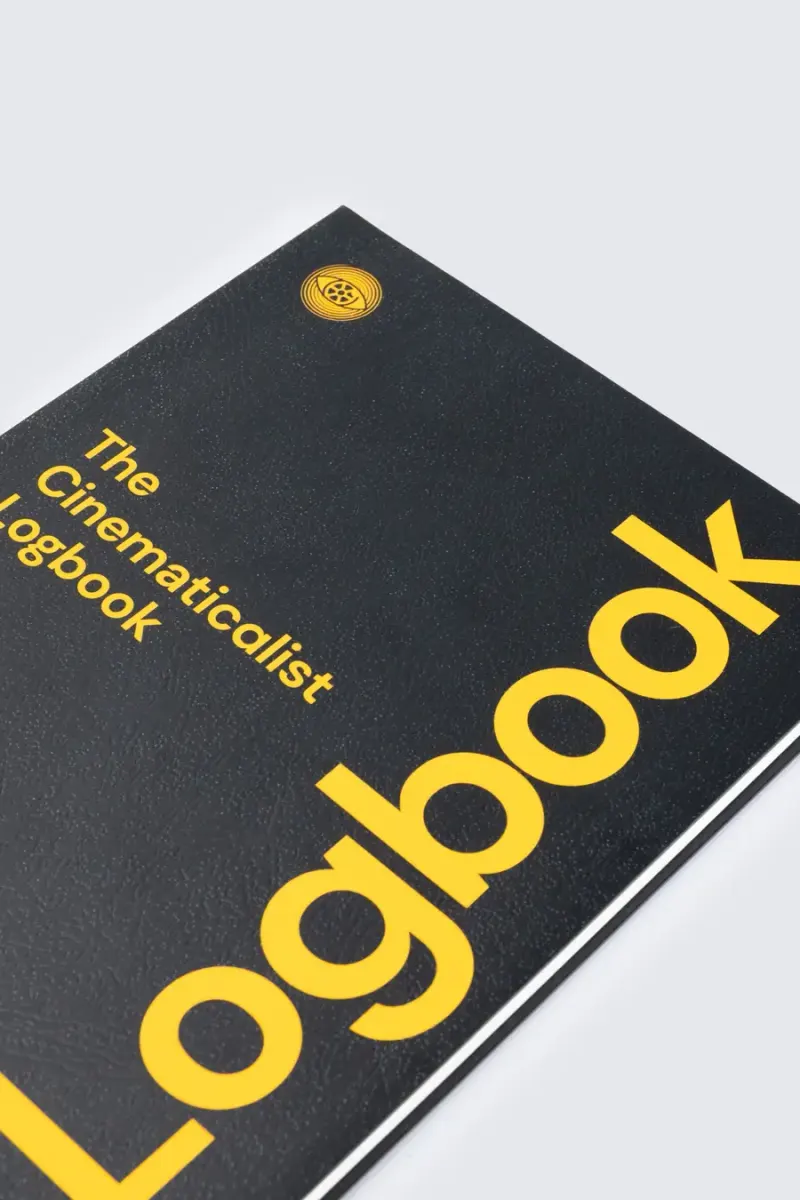
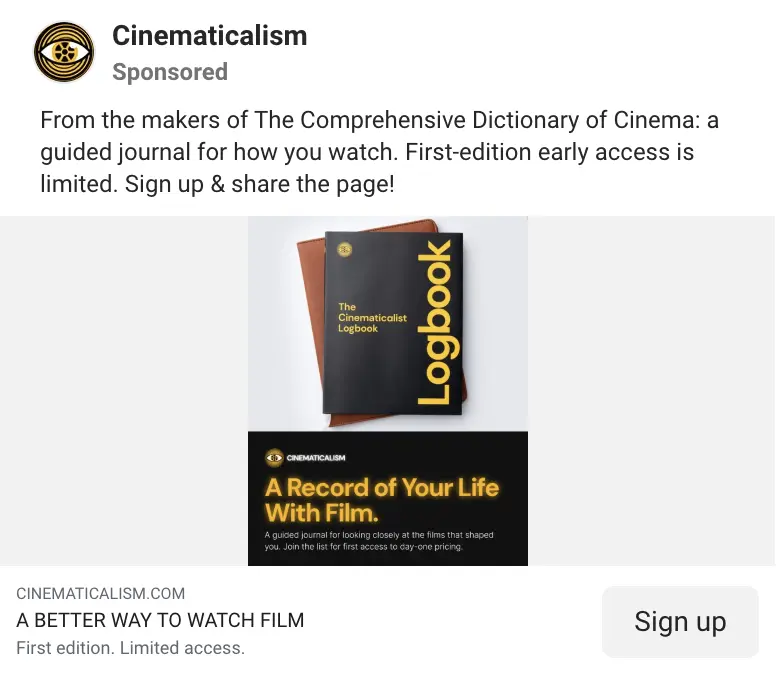
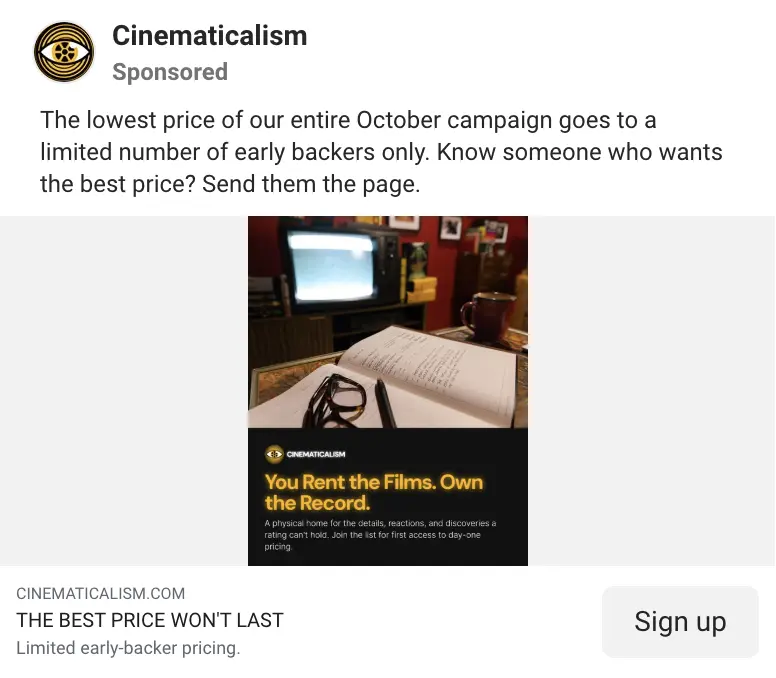
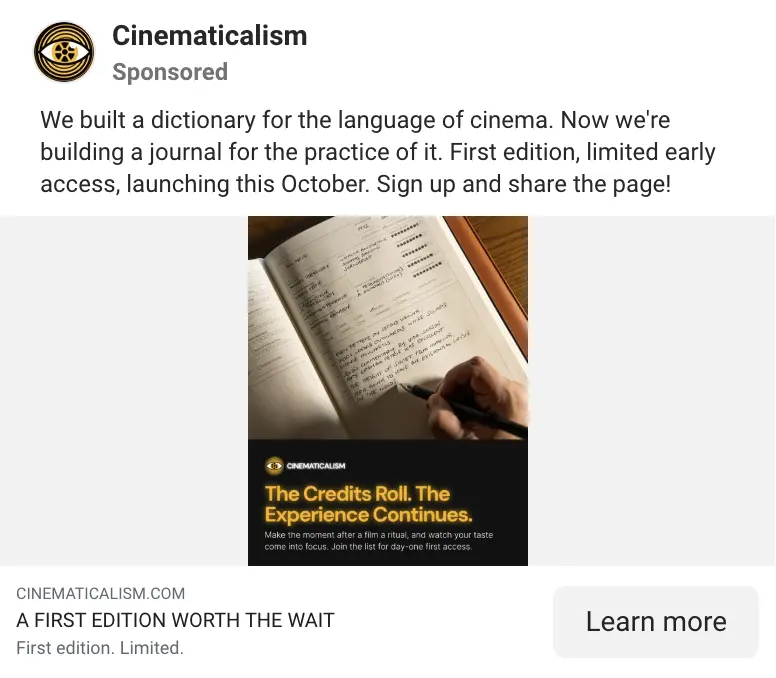
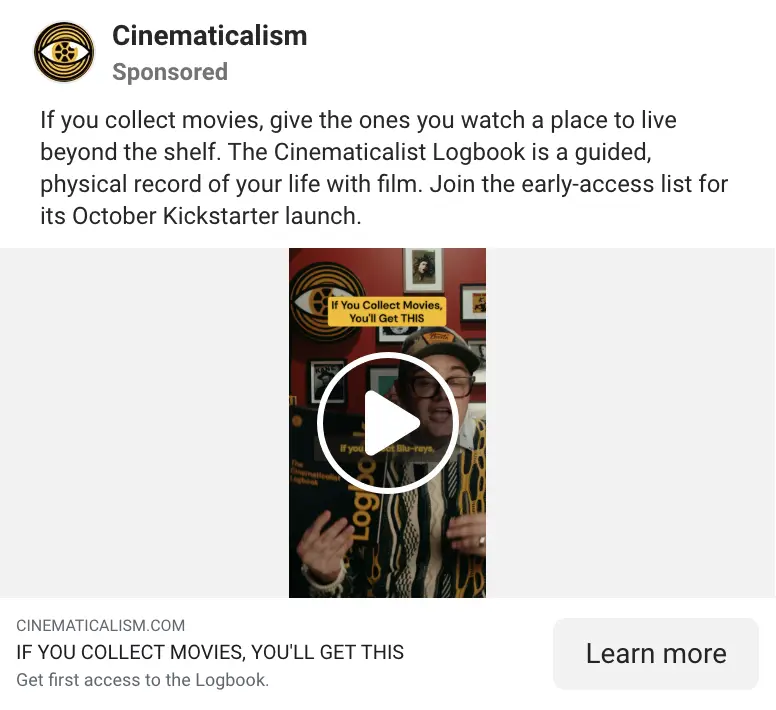
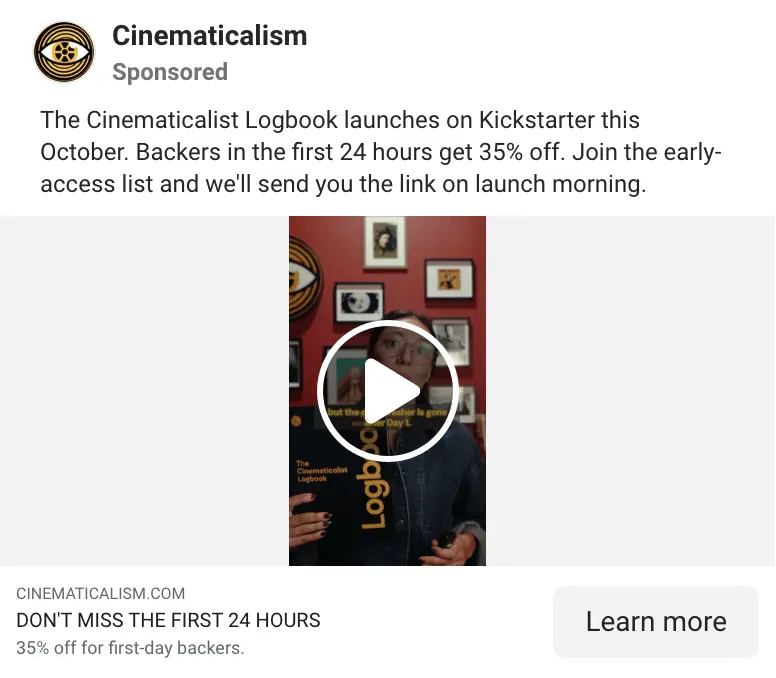
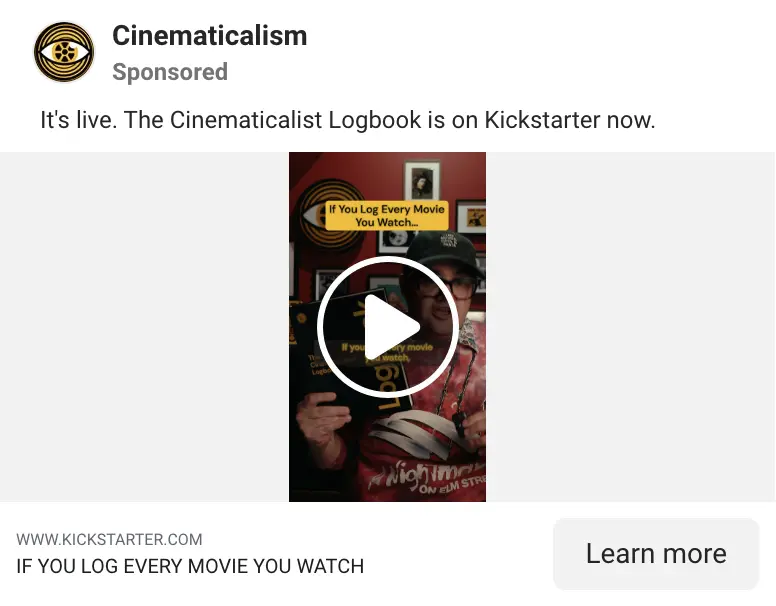
The founders launched their second book, a film journal, on Kickstarter. Kickstarter named it a Project We Love. Our part: the pre-launch sign-up page, the Meta ads that sent people to it, the pre-launch and campaign emails, and the photos for their Kickstarter page.
Working together
We met often and reported results against an agreed scorecard.
Project FAQs
My product is niche. Can Meta ads really find my buyers?
Yes. We split Cinematicalism's buyers into five groups, and each group got its own ads and budget. Festival-goers returned 7.0x and cinephile collectors 6.4x. Then we moved the budget to the groups that bought most.
We already crowdfunded. Can you help us sell from our own store now?
That is where Cinematicalism's founders were. We wrote the go-to-market plan, then designed and built their Shopify store. We designed and built the Klaviyo emails, shot the book in our studio and ran the Meta ads. One team did all of it, so the store, emails and ads tell the same story.
Can you use videos we have already shot?
Yes. The founders filmed their own videos. We ran each one to the buyers it spoke to, and one reached 11.1x in a small test with physical-media collectors. We also make still and video ads ourselves, like animated definitions and close-ups of the book.
Do I need a big ad budget to start?
No. We start with a test budget you agree to, and it grows only when results earn it. We also stop funding what does not work. Meta's automated Advantage+ campaign returned 4.2x against 5.5x for our main audience campaign, so we moved its budget to the audiences that sold.
Can you help with our next Kickstarter launch?
Yes, with the marketing around it. For Cinematicalism's second book, we built the pre-launch sign-up page and ran Meta ads to it. We also designed and built the pre-launch and campaign emails, and shot the photos for their Kickstarter page. The founders ran the campaign itself.
What happens on the call, and am I locked in after?
It is a free 30-minute discovery call with our sales team. You tell us about your product, your buyers and your goals. We share how we would approach it and talk through pricing. If we work together, contracts are month-to-month with 30 days' notice.