
TL;DR
- SEO for construction companies should prioritise suitable projects, service areas and evidence of completed work.
- Setsail Marketing is best for construction businesses seeking customer research connected to SEO execution and measurement.
- Build local SEO and service pages around actual capabilities, not every construction keyword.
- Measure qualified enquiries, quoted projects and won work alongside search visibility.
Why SEO matters for construction companies
Construction buyers need more than a contractor’s name. They need to establish whether you handle their project type, work in their area and have relevant experience before requesting a conversation.
A homeowner comparing renovation contractors and a procurement manager assessing commercial builders need different evidence. Sending both to a generic homepage leaves them to work out whether your business fits. Your website should make that distinction clear.
The objective is not to rank for every construction search. It is to become a credible choice for the work your business wants. An enquiry outside your service area or capabilities creates administrative work, not useful demand.
Your 2026 plan should connect search visibility with sales qualification. If you need help joining those decisions to delivery, Setsail Marketing’s marketing services include SEO, websites and measurement, with scope guided by the customer’s buying journey rather than a preset bundle.
Build your construction SEO plan around the buying decision
Start with the questions an estimator or business development lead answers every week. What work does the customer need? What would make your company a sensible choice? What information is needed before anyone can discuss the project properly?
Use the following steps in order. Establish the commercial priorities before changing page titles, publishing articles or assigning an agency a list of keywords.
1. Define the projects you want to win
Start manually with your enquiry inbox, estimate records and completed-project list. Review 10 recent enquiries as an initial working sample, then separate suitable opportunities from requests you would not pursue. This is a planning exercise, not a statistically representative market study.
Ask the people qualifying enquiries why each opportunity was accepted or declined. Record the customer's language, not just your internal service label. A buyer asking about converting an industrial unit needs a different explanation from someone planning a kitchen renovation.
For a Vancouver contractor, geography also needs operational meaning. List the places your team actually serves and check whether the desired work fits crew capacity. Do not build a search strategy around projects you cannot deliver.
Finish with a short brief that gives the website team clear boundaries:
- Name the project types you actively want.
- Record the locations you genuinely serve.
- Identify the customer making the decision.
- List the requirements that make an enquiry unsuitable.
- Note the evidence each buyer needs before contacting you.
2. Map searches to the right pages
Use Google Search Console, if connected, to inspect searches already bringing people to your website. Combine those terms with wording from customer conversations. Inspect search results manually to understand whether a query calls for a service page, an explanatory guide or project evidence.
Separate searches about hiring from searches about learning. A page explaining how to choose a commercial renovation contractor serves a different purpose from a page describing your commercial renovation service. Both can help a buyer, but neither should duplicate the other.
Build a simple spreadsheet with a search theme, intended buyer, existing page and next action. Assign each distinct intent a clear destination. In your 2026 content plan, improve a relevant existing page before commissioning another page that answers the same question.
3. Build service pages buyers can assess
Write the first draft yourself using sales conversations and project records. Explain what work you undertake, whom it suits, where you deliver it and how an enquiry becomes a scoped discussion. Replace broad claims about quality with evidence a buyer can examine.
A commercial renovation page, for example, should explain the kinds of premises and work you handle without implying capabilities you do not have. Address questions about occupied premises, project coordination or approvals only where your team can provide accurate answers.
Setsail Marketing connects customer research with SEO, website content and in-house delivery. That approach suits construction businesses that need the message and the enquiry process improved together. The limitation is scope: research, content, development and photography still need agreed responsibilities and client input.
Use your construction project proof to support the relevant service, rather than leaving every example in an isolated gallery.
- State the service and intended customer clearly.
- Describe your actual scope and exclusions.
- Answer recurring pre-enquiry questions.
- Add relevant project summaries and approved photographs.
- Give the visitor a clear route to discuss a suitable project.
4. Make local information accurate and useful
Review your Google Business Profile manually before buying software or commissioning location content. Check the business name, contact details, website destination, categories and service-area information against how the business operates. Follow Google’s eligibility and address-display requirements.
Google describes local results in terms of relevance, distance and prominence. You cannot edit the searcher’s location. You can make your business information accurate and make your services easier to understand.
Keep your website consistent with the profile. A service-area business should not imply that it has a staffed office in every municipality it serves. Location pages need useful local substance, not a town name swapped into an otherwise identical paragraph.
For 2026, maintain a repeatable process for updating business information and requesting honest customer feedback. Ask without incentives, and do not restrict requests to customers expected to leave positive reviews.
5. Remove barriers between discovery and enquiry
Test your website on a phone before commissioning a redesign. Open important pages, follow the main contact route and submit a test enquiry. Confirm that someone receives it and knows who should respond.
Check search access separately from design. Google Search Console can help you inspect indexing and discover page-level issues. Review accidental indexing restrictions, broken internal links and changed addresses that leave useful pages inaccessible. A visually polished page still needs to be available to search engines and usable by buyers.
Keep qualification proportionate. Start with 3 practical fields for project context: job type, location and expected timing. Add contact details and only the extra questions your team genuinely needs. A public tender enquiry and a homeowner’s renovation request do not require identical forms.
- Test the full enquiry journey on mobile.
- Confirm that form submissions reach the right person.
- Check important pages for indexing problems.
- Repair broken links and unnecessary redirects.
- Ask for enough project detail to route enquiries properly.
- Keep essential contact information easy to find.
6. Measure suitable work and revise the plan
Begin with a shared spreadsheet if you do not have a customer relationship management system. Record where each enquiry came from, whether it qualified, whether you issued an estimate and whether it became a project. Keep unknown sources labelled unknown rather than assigning credit without evidence.
Compare search information with sales records. Search impressions describe exposure; clicks describe visits. Neither proves that the business won suitable work. Equally, do not judge a newly published page only by closed projects when those opportunities are still being assessed.
Set a monthly review date throughout 2026. Compare the expected outcome with actual results, including shortfalls, and record the next action. Setsail Marketing uses projected-versus-actual reporting; projections remain estimates, not guaranteed returns.
Use four reporting stages to keep the discussion connected to business decisions:
Search reporting should connect visibility to suitable work, not stop at visits.
Compare construction SEO delivery options
Choose delivery based on who can supply project knowledge, maintain the website and act on the findings. No arrangement removes the need for accurate information from your construction team. The best fit is the one with clear ownership and enough capacity to complete the work.
Owner-led delivery
- Best for: A focused business with time to maintain its own website
- Main advantage: Direct access to customer questions and project knowledge
- Key limitation: Competes with estimating, operations and customer work
In-house marketer
- Best for: A business with recurring content and coordination needs
- Main advantage: Close access to staff, projects and sales feedback
- Key limitation: Specialist development, photography or SEO work needs separate coverage
Specialist SEO support
- Best for: A business with an established website and clear search priorities
- Main advantage: Concentrated attention on search-related work
- Key limitation: Website changes and sales follow-up still need assigned owners
Setsail Marketing
- Best for: Construction businesses needing research, SEO and website execution connected
- Main advantage: One in-house team carries customer understanding through delivery and measurement
- Key limitation: Requires agreed scope, project evidence and client participation
Before choosing an arrangement, ask who approves technical claims, who publishes changes and who handles enquiries. Keep business-controlled access to your website, search accounts and project assets. Put ownership and handover expectations in writing rather than leaving them until the relationship ends.
Common mistakes construction companies make
Targeting every job the company could technically perform
A broad capabilities list is not a commercial priority. If your website attracts projects you routinely decline, revisit the target work and qualification language before chasing more traffic. Give your preferred services enough detail to stand on their own.
Publishing galleries without explaining the work
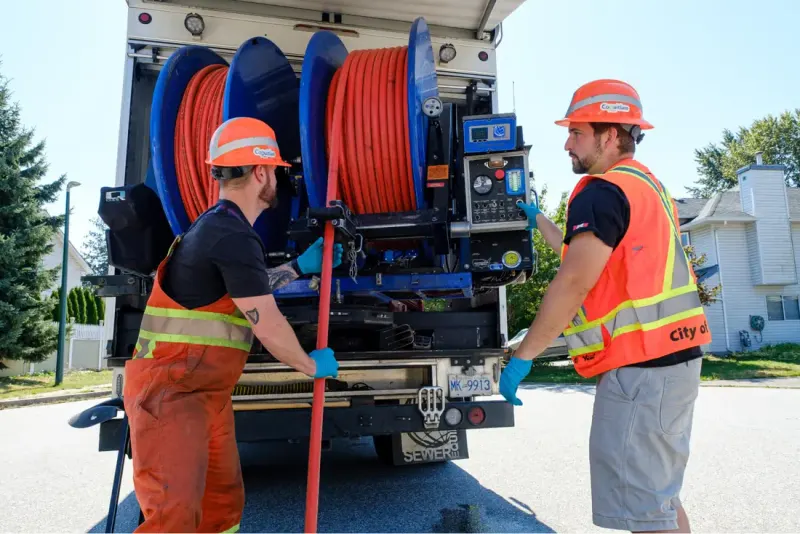
Photographs show appearance but do not explain your role. Describe the project brief, relevant constraints, work completed and contribution of your team. Obtain permission before publishing customer names, addresses, photographs or commercially sensitive information.
Creating location pages without local evidence
Changing a place name does not create a useful page. Explain actual coverage and add relevant projects or operational details where available. When you lack distinct information, a clear service-area explanation is more useful than repetitive pages.
Treating all enquiries as equal
A request for an unsupported service is not equivalent to a suitable project discussion. Agree on qualification criteria with the people estimating and delivering the work. Report enquiry volume alongside fit, follow-up and commercial outcome.
Publishing claims nobody has checked
Do not let a writer infer licences, certifications, project values or specialist capabilities from photographs. Assign a knowledgeable reviewer before publication. Accurate, specific evidence serves buyers better than an impressive claim your team cannot substantiate.
FAQ
What is SEO for construction companies?
SEO for construction companies improves how a contractor's services and project evidence appear in organic search. The business objective is suitable enquiries from buyers in the areas and project categories the company serves.
What's the best place to start with construction SEO?
Start by defining the projects you want and reviewing whether your service pages answer those buyers' questions. Then check local business information, search access and the enquiry process before expanding content.
Does a construction company need a Google Business Profile?
A construction company that meets Google's eligibility requirements should use a Google Business Profile to present accurate local business information. Service-area businesses must follow the address-display rules rather than inventing offices in places they serve.

Should I create a separate page for every city I serve?
Create a separate location page only when you have useful, distinct information for buyers in that area. Repeating the same service copy with a different city name does not answer additional customer questions.
How long does SEO take for a construction company?
There is no fixed timetable that applies to every construction website. Assess technical access, existing visibility, competing pages and the work required, then distinguish early search changes from enquiries and won projects.
Can SEO guarantee construction leads?
SEO cannot guarantee construction leads or project wins. Search visibility, buyer demand, project fit, website quality and sales follow-up all affect the outcome, so projections should state their assumptions.
How do I know whether construction SEO is working?
Connect relevant search visits to enquiries, qualified opportunities, estimates and won work. Review those stages together so increased traffic does not hide poor project fit or missed follow-up.
One last thing
Read your declined enquiries before approving your next SEO brief. They reveal where customers misunderstand your services, coverage or project requirements. Fixing that mismatch deserves attention alongside attracting new visitors.
Make this a concrete 2026 action: ask your estimator to mark the reason for each declined enquiry, then use that feedback to revise page content and qualification questions. More visibility should not mean more time explaining why you are the wrong contractor.
If you want help connecting customer research, search visibility and delivery, book a Growth Strategy call. The call is free, lasts 30 minutes and carries no commitment. It is separate from the subsequent paid Growth Strategy engagement, which you keep whether or not you continue with Setsail Marketing.
Book a Growth Strategy call
Discuss your goals and challenges in a free, 30-minute call with no commitment.
Related guides
- What should a construction marketing agency count as a lead?
- What should a Vancouver SEO agency report each month?
- How to plan construction marketing around crew capacity