
TL;DR
- Is SEO worth it for small business? Yes, when relevant searches turn into profitable enquiries or orders.
- Google rankings are evidence of visibility, not proof of business value. Track qualified enquiries and completed sales.
- Fix unclear service pages and broken enquiry paths before expanding your content.
- Setsail Marketing connects SEO customer research with in-house execution and projected-versus-actual reporting.
Is SEO worth it for small businesses in 2026?
SEO earns its place when it helps the right customers discover, compare and choose your business profitably. The decision starts with customer demand and your ability to serve it, not a promise about a particular ranking.
Use this table to decide what deserves attention first. These are investment priorities, not mutually exclusive choices.
Prioritise SEO
- Best for: Businesses with relevant search demand and a working sales process
- Main advantage: Reaches people researching services, products and suppliers
- Main limitation: Results depend on search visibility, website quality and sales follow-through
Fix the website first
- Best for: Businesses getting relevant visits but weak enquiries or orders
- Main advantage: Removes obstacles between customer interest and action
- Main limitation: Does not create search demand or distribution by itself
Consider paid search
Strengthen customer retention
- Best for: Businesses with an existing customer base and repeat-purchase opportunities
- Main advantage: Focuses attention on people who already know the business
- Main limitation: Does not replace finding new customers
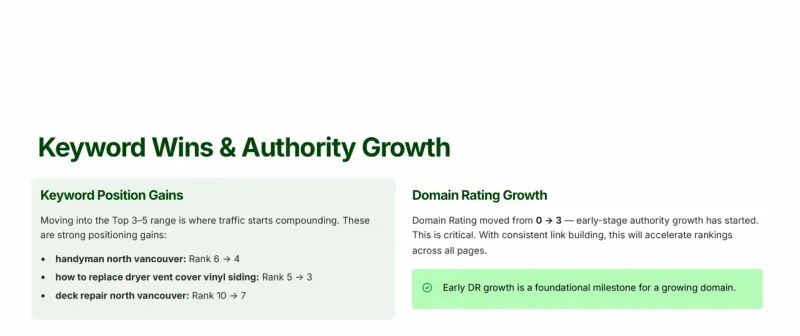
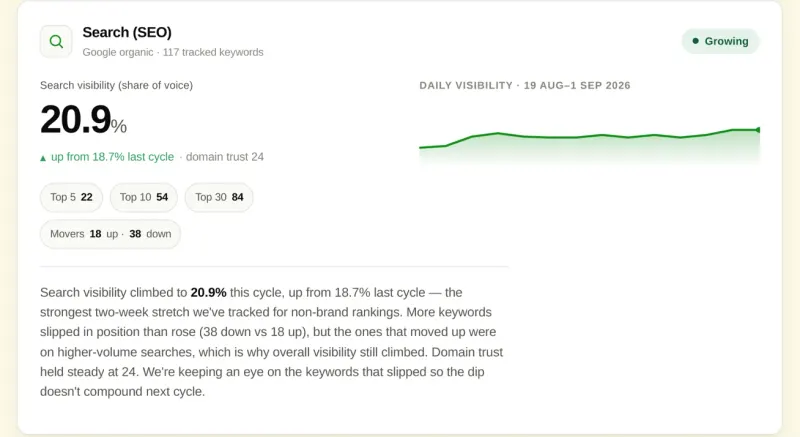
For a practical measurement standard, use this guide to what a Vancouver SEO agency should report each month. Rankings belong in the report, but they cannot settle the investment decision alone.
Why this matters
A small business has competing uses for its marketing budget. Search visibility matters only when it supports the customers, work and margins you want.
Consider a Vancouver contractor receiving enquiries for jobs outside its service area. More traffic does not solve that problem. Clearer location information, better project examples and more specific service pages address the mismatch between who arrives and who should buy.
An online retailer faces a different question. Helpful product information can support search discovery and buying decisions, but additional visits do not fix a confusing checkout. Diagnose the barrier before choosing the channel.
Check whether SEO has a business case
You do not need a forecast dressed up as certainty. You need a defensible explanation of how search activity becomes business value, with the assumptions visible.
1. Establish customer demand
Start with the language customers use when they enquire, compare alternatives and explain their problem. Review sales conversations, customer questions and search queries already bringing people to your website.
Separate searches about buying from searches about learning. Both can matter, but a broad educational topic needs a clear connection to your offer. A popular question with no plausible buying journey is not automatically a content opportunity.
For local businesses, check whether the search reflects the places you actually serve. For ecommerce and B2B businesses, check whether the search describes the right product, application or purchasing problem.
2. Check what customers need to choose you
Look at the information a buyer needs before making contact or placing an order. Does your website explain what you do, whom it suits and what happens next?
A contractor might need relevant project evidence and a clear enquiry form. A clinic might need understandable service information and a straightforward appointment path. A B2B supplier might need application details that help a buyer establish suitability.
Use these as questions, not a universal page template. Customer research should determine what belongs on your website.
3. Connect enquiries to commercial outcomes
Decide what counts as a useful enquiry before judging performance. A form submission from an unsuitable buyer is not equivalent to an enquiry that becomes profitable work.
Record where enquiries came from, whether they qualified and what happened next. For ecommerce, connect organic search activity to orders while accounting for returns and the costs of fulfilling those orders.
Attribution—the process of assigning credit to marketing activity—has limits. Keep a customer's reported discovery source alongside your digital records rather than treating either as a complete account.
4. Set a review decision
Before starting, agree what evidence would support continuing, changing direction or stopping. Distinguish completed work from customer response and customer response from financial results.
Your 2026 SEO plan should identify the starting position, planned changes, assumptions and commercial goal. A reporting date is a decision point, not a guaranteed results deadline.
A business case connects search demand to sales and a clear review decision.
When SEO deserves priority
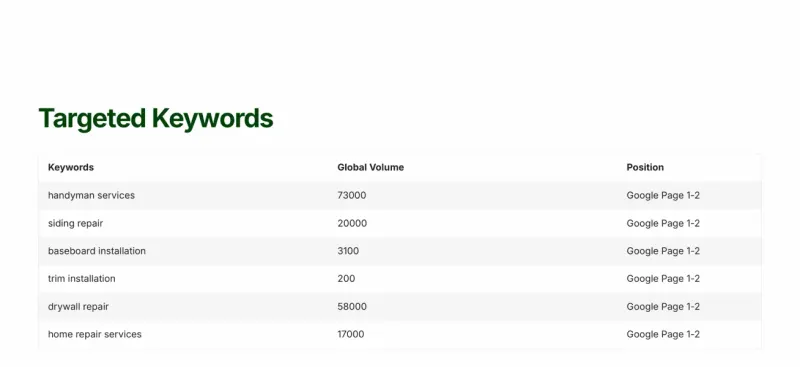
Prioritise SEO when buyers already search for relevant solutions and your business can fulfil that demand profitably. You also need a practical route from discovery to purchase: useful pages, credible evidence and a working contact or checkout process.
Existing visibility can provide a useful starting point. If relevant searches already bring visitors, examine which pages attract them and what those visitors do next. Improve pages with a clear commercial purpose before commissioning unrelated articles.
For local search, accuracy matters. Your business details, service area and website information should describe the same real operation. Do not chase enquiries from locations you cannot serve simply to expand a ranking report.
When SEO should wait
SEO should wait when another obstacle prevents customers from buying. A broken enquiry form, unclear offer or unanswered sales inbox deserves attention before a larger content programme.
It also deserves a lower priority when your immediate requirement is revenue and you cannot support an uncertain search-development period. That does not make paid advertising automatically suitable. Advertising still needs a relevant offer, a functioning website and a sound commercial case.
Be cautious if your proposed SEO plan starts with article volume rather than customer questions. Publishing more pages is not a substitute for understanding what buyers need. Ask which purchase decision each proposed page supports and what action the visitor should take next.
Why SEO value varies between businesses
There is no useful universal verdict based on company size alone. The value of SEO depends on the relationship between demand, competition, buying behaviour and delivery economics.
For a 2026 investment decision, document these factors before accepting a forecast. Treat projected returns and payback as estimates with stated assumptions, not promises.
Measure profit, not just positions
A ranking improvement shows a change in visibility. It does not establish that the business received better enquiries, won more work or kept more profit.
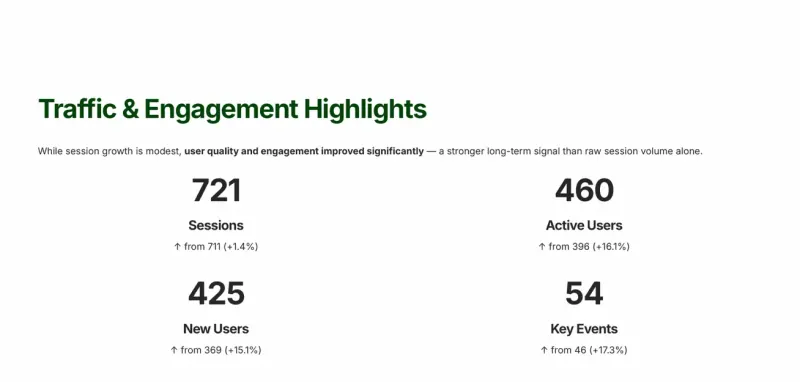
Build reporting around the customer journey:
- Discovery: Which relevant searches and pages brought people to the business?
- Consideration: Did visitors reach the information needed to compare and choose?
- Enquiries or orders: What actions occurred, and were they genuine?
- Sales quality: Which enquiries became suitable customers or booked work?
- Commercial return: Did the resulting contribution justify the marketing investment?
Contribution means the revenue remaining after the direct costs of delivering the sale. Use it to avoid treating all revenue as money available to cover marketing.
Compare projected and actual results, including shortfalls. If visibility rises but qualified enquiries do not, investigate the audience and page experience. If qualified enquiries rise but sales do not, inspect response handling, fit and the sales process before publishing more content.
Also distinguish branded searches from other searches. Someone searching your company name already knows something about you; someone discovering your service through a broader query represents a different discovery path. Both matter, but they answer different questions.
What should an SEO agency explain before you commit?
An agency should explain the customer problem, the proposed work, who will implement it and how the business will judge the result. Ask how research will change your service pages, product information, proof and channel priorities.
Useful questions include:
Setsail Marketing is best for businesses seeking SEO grounded in customer understanding, in-house execution and commercial reporting. Its approach carries research through strategy, creative, technology and delivery, with the strategists staying involved during execution. The trade-off is that an agency engagement still needs your input on customer fit, approvals and sales outcomes; it is not hands-off business growth.
The relevant Setsail Marketing services include SEO and visibility in AI answers. Scope should follow the buying journey and business problem rather than a preset bundle.
If you want help assessing the decision, Book a Growth Strategy call. The call is free, lasts 30 minutes and carries no commitment. The subsequent Growth Strategy is a separate paid engagement covering customer research, sourced market demand, marketing gaps, channel priorities and projections with explicit assumptions; its fixed 90-day plan supports delivery rather than guaranteeing results.
Book a Growth Strategy call
A free, 30-minute conversation about your goals and challenges. No commitment.
Is SEO still worth it with AI answers in 2026?
SEO remains worth assessing when customers use search to research and choose businesses. AI answers add another discovery context, but an appearance in an answer is not itself a sale or a guarantee of future visibility.
Keep business information accurate and explanations useful to buyers. Measure confirmed mentions separately from website visits, enquiries and revenue rather than combining them into an inflated visibility total.
Can I do SEO myself instead of hiring an agency?
You can handle SEO work yourself when you have the time, skills and access to make and assess changes. Start with accurate business information, clear service or product pages and working enquiry tracking.
The limitation is execution capacity. If technical problems, research or implementation keep stalling, compare outside help with the opportunity cost of leaving the work unfinished.
FAQ
Is SEO worth it for a small business with a limited budget?
SEO is worth considering when relevant search demand and profitable customer opportunities justify the work. Start with a focused business case rather than committing to a broad content programme.
How long does SEO take to become worthwhile?
SEO has no universal payback deadline. Assess your starting visibility, required website changes, search competition and buying cycle, then agree review points against commercial goals.
Is SEO better than Google Ads for a small business?
Neither SEO nor Google Ads is automatically better. Choose based on customer demand, urgency, website readiness and the economics of winning a suitable customer.
Do higher Google rankings mean more sales?
Higher Google rankings do not prove that sales increased. Track relevant enquiries, completed orders and customer quality alongside changes in search visibility.
What should I fix before spending more on SEO?
Fix anything preventing interested visitors from becoming customers, including broken forms, unclear service information and confusing purchase paths. Confirm that enquiries receive a response before expanding traffic acquisition.
Is local SEO worth it for a business serving Vancouver?
Local SEO is worth assessing when customers search for services in the Vancouver areas you actually serve. Connect accurate business information and relevant website pages to qualified enquiries and booked work.
What does Setsail Marketing discuss on a Growth Strategy call?
Setsail Marketing offers a free, 30-minute Growth Strategy call about your business goals and challenges. The call has no commitment and is separate from the subsequent paid Growth Strategy engagement.
One last thing
Before approving more SEO work in 2026, ask your team to explain why your most recent suitable customers chose you. Compare those answers with what your website actually says.
If customers value evidence that your pages barely show, your next move is not necessarily another article. Make the reasons people buy visible where the next customer is deciding.
Related guides
- Connecting Google Business Profile to booked jobs
- How an SEO agency should verify AI mentions of your business
- What happens to your assets when you leave a marketing agency