
Compare website development quotes by scope
A website quote depends on what must be designed, built, migrated and connected. A landing page, a business website and an ecommerce store solve different problems. Compare the page count, content responsibility, integrations, testing and handover before comparing the total.
- List the templates and pages, who writes the copy, and who supplies photography.
- Specify ecommerce, CRM, booking and payment integrations, plus any migration and redirect work.
- Ask what accessibility, mobile and conversion checks are included, and what happens after launch.
- Separate the project fee from hosting, platform subscriptions, ongoing care and future content changes.
What changes from one package to the next
Page count drives most of a website quote, but not all of it. Each extra unique template needs its own design and build, and a redesign or store adds work a new site does not. This is how the scope steps up across our four website packages.
| Landing page | New website | Redesign | eCommerce | |
|---|---|---|---|---|
| Pages the price is based on | 1 | 10 | 12 | 15 |
| Unique page templates | 1 | 6 | 7 | 8 |
| Sitemap and keyword-to-page plan | No | Yes | Yes | Yes |
| Design system and two sample pages first | No | Yes | Yes | Yes |
| 301 redirect map, top 50 URLs checked by hand | No | No | Yes | Yes |
| Existing content inventoried and migrated | No | No | No | Yes |
| Store, cart and checkout, tested with a real order | No | No | No | Yes |
| 72-hour launch monitoring and 30-day report | No | Yes | Yes | Yes |
Every package includes written copy for each page, mobile and desktop design with one revision round, tracking and schema, and a speed and accessibility check before launch. A larger site is priced on its real page and template count. See Setsail’s website design and development services for the full scope of work.
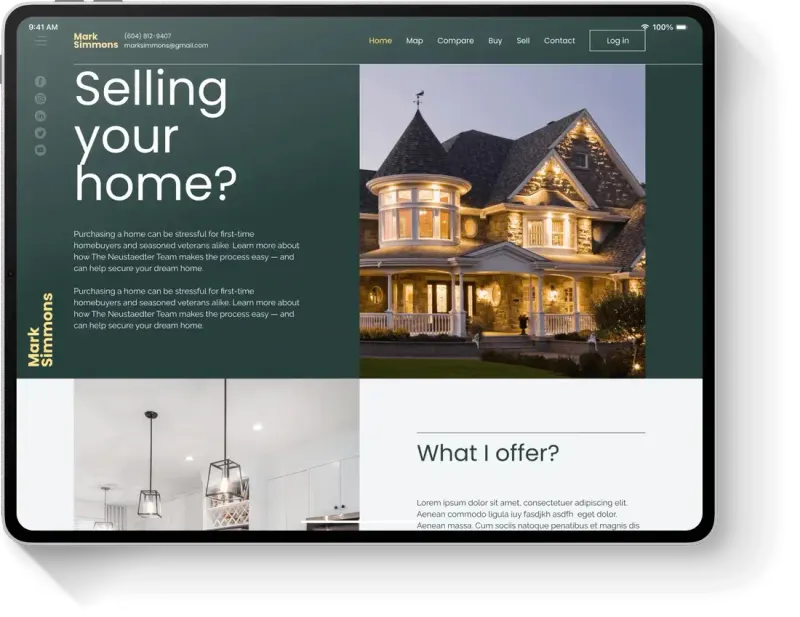
Setsail’s published website design packages
These are Setsail’s current published prices, separate from the market estimates elsewhere in this guide. Prices are CAD, before tax. The agreed scope determines the quote.
- Landing Page: $2,500. One page, one job.
- New Website: From $12,500. Spec-first, launched fast.
- Website Redesign: From $13,500. Keep what works, fix what doesn’t.
- eCommerce Build: From $18,500. Shopify, ready to sell.
Compare the full package scope and terms, or read our eBike BC ecommerce website development case study to see the work in context.
TL;DR:
Quick snapshot for Canadian small and mid sized businesses in 2026:
- Starter brochure site (3–5 pages, template based): roughly $1,500–$4,000 CAD
- Standard small business site (6–12 pages, SEO ready, lead forms): roughly $4,000–$10,000 CAD
- E‑commerce or feature rich site: roughly $10,000–$25,000+ CAD depending on catalogue size and integrations
- Ongoing costs: most professional sites land around $70–$200/month for hosting, security, backups, and light maintenance (plus domain each year.
Industry data from Canadian web design agencies, including Ottawa SEO Inc.’s 2026 guide, shows most professionally built small business sites now fall into those bands, with more complex builds and multi location brands running higher. In Vancouver, quotes often sit toward the upper half of these ranges.
At Setsail Marketing, our published website design pricing sits comfortably within these ranges see our latest website creation and hosting packages for current numbers.
What actually drives your website quote up or down
When two quotes are thousands of dollars apart, it usually comes down to a mix of these levers:
- Scope and size: A 5 page brochure site is one thing; a 40 page site with service lines, resources, and multi language content is another.
- Functionality: Online booking, membership areas, portals, and full e‑commerce all add design, development, and testing hours.
- Content creation: Are you handing over ready to go copy and photos, or does the team need to write, edit, and source visuals?
- Platform and tech stack: WordPress, Webflow, Shopify, and custom builds each come with different design and development workloads.
- SEO and performance: Technical SEO, schema markup, accessibility, and page speed tuning all add effort but pay off in traffic and conversions. Businesses can also benefit from website conversion optimization to improve the user experience and turn more website visitors into leads and customers.
- Team structure: A solo freelancer, a small studio, and a senior agency in Vancouver will not bill the same hourly rate.
- Timeline: Rush timelines compress work into evenings and weekends, which tends to show up in the quote.
Think of a website project like a renovation, not a product on a shelf: the key questions are what you’re building, who’s doing the work, and how polished it needs to be.
Website design cost ranges by type of site
Here’s a simplified table of 2026 ranges we see across Canada for small and mid sized organizations.
| Type of build | Typical budget (CAD) | Best suited for |
|---|---|---|
| DIY website builder (Wix, Squarespace, basic Shopify theme) | $10–$40/month + domain | Side projects, very early-stage businesses testing an idea, personal sites |
| Freelancer / micro-studio starter site | $1,500–$4,000 one-time | Local trades, solo consultants, very small teams needing a clean presence fast |
| Conversion-focused small business site (agency) | $6,000–$15,000 one-time | Established service businesses, professional firms, manufacturers, and B2B teams who rely on inbound leads |
| E-commerce or advanced feature site | $10,000–$25,000+ one-time | Retail and DTC brands, multi-location businesses, organizations with booking, portals, or integrations |
Sanity check proposals by comparing line items research, strategy, design, development, QA, SEO setup, training, and content not just the final number. Our website development process guide breaks down what a complete build includes from week one through launch.
Average cost of website design for small business in Canada
For most established Canadian small businesses in 2026, the average cost of website design lands between $3,500 and $10,000 CAD for the main build, plus monthly operating costs, in line with ranges outlined in Canada Web Pro’s 2026 guide. Here are three quick scenarios:
The Canada Revenue Agency generally treats website projects as capital assets that can be deducted or depreciated, while hosting and maintenance are usually expensed like other operating costs, as echoed in resources such as Elevate Web Design’s 2026 overview. Talk to your accountant for specifics.
Instead of asking “What’s the cheapest option?”, many owners find it more useful to ask, “What budget makes sense given what a single customer is worth?” If one new client brings in $3,000, then a $9,000 site that reliably adds a few new clients a month starts looking like a growth engine rather than a sunk cost.
Website design cost Vancouver: what’s typical in 2026?
Search for “website design cost Vancouver” and you’ll see everything from $500 to $50,000. In reality, most serious projects with Vancouver based teams fall into three buckets:
- Entry level local builds: Freelancers and small studios offering simple 3–5 page sites in the $1,500–$4,000 range.
- Specialist agencies (like Setsail): Strategy led, conversion focused builds commonly quoted between $6,000 and $15,000 for small and mid market organizations.
- Enterprise and government: Large, multi stakeholder projects can start around $25,000 and rise sharply with integrations and governance requirements.
At Setsail, we publish our numbers so you’re not guessing:
Ongoing website costs after launch
The initial project is only part of the story. To keep your site secure and effective, plan for:
- Domain name: usually $15–$45/year depending on extension and registrar.
- Hosting and SSL: budget $20–$60/month for reliable hosting with SSL and backups; premium or high traffic setups can climb higher.
- Maintenance & support: ongoing security patches, updates, and small content tweaks often sit in the $50–$150/month range with a professional partner.
- Apps and integrations: CRM systems, Accounting Software, booking tools, chat widgets, and marketing platforms like Klaviyo or HubSpot may add extra monthly fees.
- Marketing: SEO retainers, PPC management, and ongoing content are separate investments, but they’re typically where serious growth comes from once the site is live.
As websites grow, hosting requirements often evolve beyond basic plans. Many businesses eventually migrate to managed cloud environments that offer greater performance, security, and scalability. Solutions such as ScalaHosting managed cloud VPS provide dedicated resources, enhanced security, and expert support, making them a practical option for businesses with increasing traffic and performance demands.
When you’re comparing quotes, ask what happens after launch: who owns the hosting account, who has admin access, what’s covered in the monthly fee, and what counts as extra.
How to set a realistic website budget (with examples)
The simplest way to think about website cost is to tie it directly to revenue, not office decor.
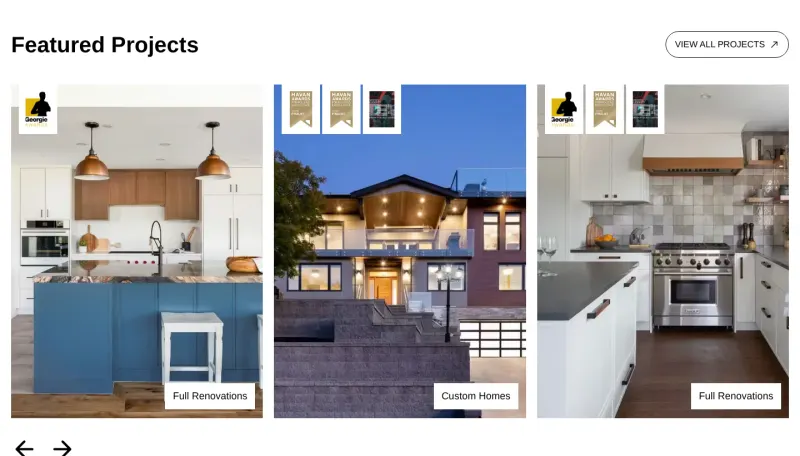
Example 1: Local contractor in Surrey
A trades business doing $500k/year, with an average job worth $3,000, might invest $6,000–$9,000. Three extra jobs a month would repay the site within a quarter.
Example 2: Professional services firm in downtown Vancouver
A small law, accounting, or consulting firm that closes a few retainers each year can budget $9,000–$15,000 for a site that clearly demonstrates expertise. One new long term client can cover the project.
Example 3: Growing e‑commerce brand
A Shopify brand doing mid‑six‑figure annual sales may budget $15,000–$25,000+ for a redesign that lifts conversion rate by even 0.5–1 percentage point often worth tens or hundreds of thousands in extra revenue over a year.
Budget→Build→ROI
A simple way to frame website design cost: invest a clear budget, build the right experience, and measure the ROI.
How Setsail prices websites (and what’s included)
As a Vancouver based digital marketing agency, we design websites alongside PPC, SEO, content, and analytics under one roof, which shapes how we quote.
A typical Setsail website project includes:
You can see this in our Coldwater Communications case study, where branding, UX, and performance focused web design came together to drive measurable engagement.
Our Marketing Lab data shows a 140% average conversion rate improvement across campaigns when strategy, creative, and performance channels align. A high converting website is a core part of that, turning more of your existing traffic into leads and sales. For current ranges and typical outcomes, explore our website design pricing table.
If you’d like a concrete number for your own project, head over to our pricing page or talk directly with the web team through the Website Design & Development service page.
FAQs
Can I get a professional website for under $1,000 in 2026?
You can certainly get something online for under $1,000 with DIY builders or very basic templates. For a small business site built by professionals, though, most Canadian businesses that want a credible, SEO ready presence budget at least $3,000–$6,000 for a focused 3–5 page build or polished template implementation.
How do I compare website quotes fairly?
Line up proposals side by side and check:
If something is unclear, ask for a short call and walk through the assumptions together before you compare price alone.
Is a template based site “bad” for SEO?
Platforms like WordPress, Webflow, and Shopify can rank extremely well when structured and optimized properly. The real issue is whether the build respects technical SEO and search intent, not whether a template exists under the hood. A custom design gives you more control over UX and branding, but many small businesses do very well with a thoughtful template implementation.
How long does website design and development usually take?
For most small and mid sized businesses, a realistic timeline with a dedicated team is 6–8 weeks from kickoff to launch, assuming content comes together on schedule. At Setsail, our roadmap usually looks like one week of research, four to six weeks of design and build, and a short window for launch and refinement.