


The 7 Step Framework We Use to Turn Traffic Into Revenue
Learn how to build high converting landing pages using a proven 7 step framework. Improve messaging, offers, and conversion rates with Setsail.

Jason Atakhanov
10 minutes
Original Report Published:
February 2024
Most companies don’t have a traffic problem. They have a conversion problem.
I’ve seen brands increase ad budgets, expand targeting, and double down on paid channels only to see marginal gains. The issue isn’t visibility. It’s what happens after the click.
A landing page is not a design project. It is a revenue engine.
After reviewing Clutch’s 7 step framework for building high converting landing pages, one truth stands out: structure outperforms creativity when it comes to conversion.
At Setsail, whether we’re scaling tuition enrollment campaigns for Pear Tree Schools or building ecommerce funnels for brands like Dost e-Bikes, the structure of the landing page determines ROI long before traffic volume does.
Here’s what actually drives performance.
What a Landing Page Is Really Meant to Do
A landing page is a standalone decision environment. It is not your homepage. It is not your brand story. It is not your company brochure.
Its purpose is singular: guide the visitor toward one specific action.
The highest performing landing pages focus on one outcome booking a call, requesting a demo, downloading a report, or making a purchase. Everything on the page must serve that action.
When we replace generic traffic to homepages with focused landing pages in performance campaigns, conversion rates consistently increase. Not because the design is dramatically different, but because the clarity is.
Clarity removes hesitation.
Hesitation kills conversion.
Traffic Quality Means Nothing Without Message Alignment
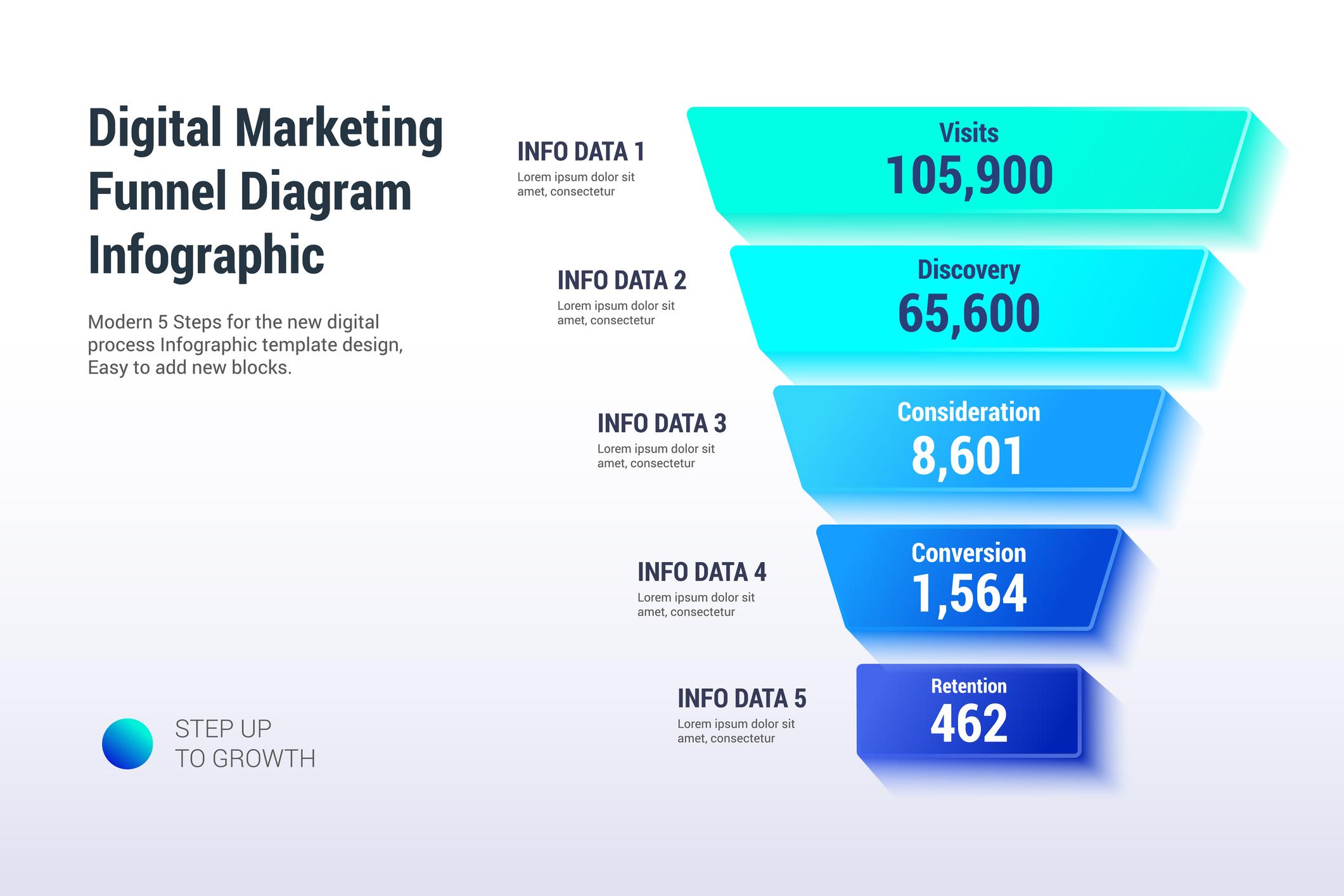
High intent traffic behaves differently from passive traffic.
Visitors arriving from paid search, remarketing campaigns, or segmented email lists are problem aware. They are actively evaluating solutions. That makes alignment critical.
When scaling campaigns for Pear Tree Schools, performance improved only after the landing page messaging mirrored parental intent addressing academic credibility, long term outcomes, and enrollment security rather than generic school features.
The lesson is simple: traffic brings opportunity. Alignment closes it.
Without alignment between visitor intent and page messaging, even high quality traffic underperforms.
The 7 Step Framework That Drives Conversion
The Clutch model outlines seven core stages: foundation, research, offer, positioning, messaging, writing, and testing.
What makes this framework effective is discipline. Most teams skip directly to copywriting and design. High performing teams do not.
1. Foundation: Define the Objective Before Writing
Before a single headline is written, foundational questions must be answered clearly:
1) Who is this page for?
2) What exact problem are they experiencing?
3) What action do we want them to take?
4) What metric defines success?
If these answers are vague, the landing page will be vague.
Strong conversion begins with strategic clarity.
2. Research: Eliminate Assumptions
Effective landing pages are built on evidence, not guesswork.
Sales call transcripts, CRM notes, customer reviews, keyword research, and competitor analysis all reveal objections and motivations that must be addressed directly.
When optimizing ecommerce funnels for brands like Squid Paddle Co, customer reviews highlighted concerns around durability and shipping speed. Once those objections were surfaced and handled directly on the page, conversion rates improved.
Research sharpens messaging.
Sharp messaging increases trust.
3. Offer: Your Conversion Ceiling Is Set Here
Your offer determines the upper limit of performance.
A landing page cannot outperform a weak offer.
Strong offers answer five implicit questions in the visitor’s mind:
1) What outcome will I get?
2) How confident am I that this will work?
3) How fast will I see results?
4) How much effort will it require from me?
5) What risk am I taking?
When performance guarantees or risk reversal mechanisms are introduced, close rates improve because uncertainty decreases. Offer strength is leverage.
4. Positioning: Different Beats Better
Most landing pages fail because they try to sound impressive instead of specific.
“Market leading solutions” does not convert.
Clear, differentiated positioning does.
For example:
“Scale your business without hiring.”
That statement is direct. It addresses cost, speed, and operational leverage in one line.
Being different creates attention.
Being specific creates credibility.
5. Messaging: Precision Over Fluff

There is a balance between being too broad and too narrow.
“Get more clients” is too broad to feel meaningful. Highly technical feature descriptions are too narrow to feel urgent.
Effective messaging communicates a top of mind problem clearly enough that the right reader immediately recognizes themselves in it.
Good messaging feels personal.
Great messaging feels inevitable.
6. Writing Structure: Guide the Decision Journey
High converting landing pages follow a deliberate psychological sequence:
A bold, outcome focused headline captures attention.
A clear call to action appears immediately.
The problem is articulated in the visitor’s language.
The consequences of inaction are acknowledged.
The solution is introduced clearly and confidently.
Benefits are explained in business terms.
Proof and testimonials reinforce credibility.
Objections are handled in FAQs.
The page closes with a clear next step.
This is not creativity. It is structure.
Structure reduces cognitive load and guides the visitor toward commitment.
7. Testing: Optimization Is Compounding

No landing page launches perfect.
Performance improves through disciplined experimentation.
Testing should isolate one variable at a time headline framing, CTA wording, offer presentation, or social proof format. Results must be measured with statistical significance, and learnings must be documented.
When scaling ecommerce campaigns and performance funnels, incremental testing has moved campaigns from break even to high multiple ROAS. Rarely through redesign. Often through refinement.
Optimization compounds over time.
The Most Common Conversion Mistake
Companies often over prioritize aesthetics.
Color schemes. Animation. Layout complexity.
Design supports persuasion. It does not replace it.
The strongest landing pages are rarely the most visually complex. They are the clearest. If a landing page underperforms, the issue is typically:
1) An unclear offer.
2) Weak alignment with traffic intent.
3) Unaddressed objections.
4) Excess friction in the decision process.
Not the button color.
Summary
High converting landing pages succeed because they focus on a single objective and remove distraction. Conversion improves when traffic intent aligns precisely with messaging and offer clarity. The strength of the offer determines the upper limit of performance. Research prevents costly assumptions and sharpens persuasion. Clear positioning differentiates in crowded markets. Structured page architecture guides decision making. Consistent testing compounds gains over time.
Brands that treat landing pages as revenue infrastructure not design exercises, consistently outperform competitors.
Jason Atakhanov
10 minutes
Other marketing reports you may like
Why Enterprise AI Governance Is Now a Growth Strategy Not Just a Compliance Requirement
Why AI governance, data control, and security frameworks are now competitive growth advantages.
What 17M Search Responses Reveal About the Future of Discovery, And How We’re Adapting at Setsail | Conductor's Latest Report
AI search visibility is reshaping discovery. With AI Overviews appearing in 25% of queries and LLM referrals steadily rising, rankings alone are no longer enough. Here’s what 17 million AI responses reveal and how Setsail is adapting for the generative search era.
%20-%20lessons%20from%20Alex%20Hormozi%20(1).avif)
How to Craft a $100M Offer (and Actually Sell It) - lessons from Alex Hormozi
Most agencies focus on traffic, not offers — and that’s where growth dies. In this guide, I’ll show you how we use Alex Hormozi’s $100M Offers formula to help our clients generate more leads, higher ROI, and faster sales. You’ll learn how to build a grand slam offer, avoid common agency mistakes, and even steal 3 frameworks we’ve used to land high-paying clients. If you’re serious about marketing that actually drives revenue, this is your blueprint.