


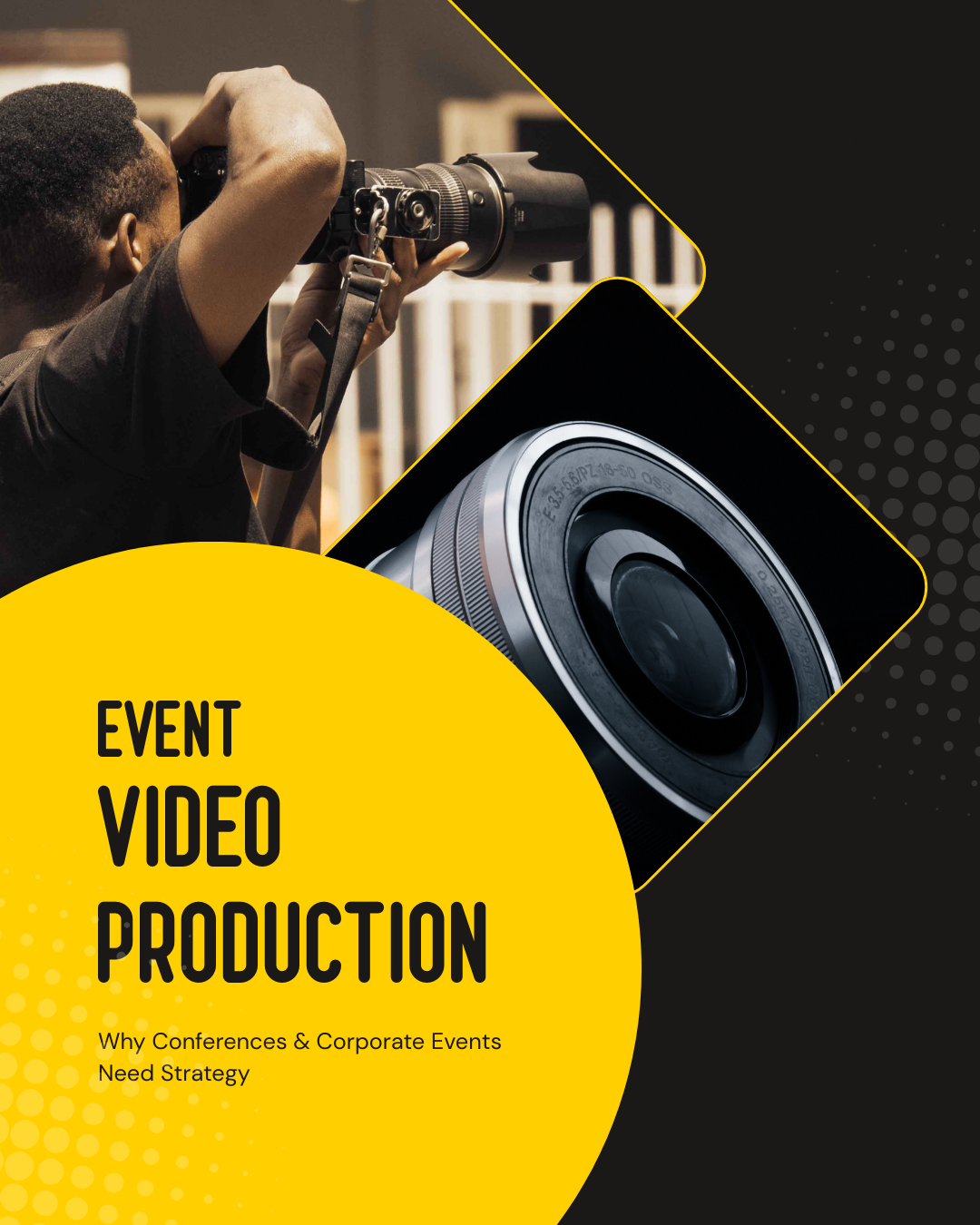
Event Video Production: Why Conferences & Corporate Events Need Strategy
Planning event video production? Explore how events & conferences can generate ongoing content, social clips, and marketing campaigns long after the event ends.

Jason Atakhanov
15 mins
April 13, 2026
TL;DR:
- Event video production is not just filming the stage; it’s building a content engine for the next 6 to 12 months.
- Conferences and corporate events that plan video strategically get better sponsor retention, warmer leads, and stronger internal buy in.
- Focus on clear goals, a shot list mapped to channels, fast on site workflow, and a post event distribution plan.
You’ve booked the venue, wrangled speakers, and confirmed sponsors. The big question now: will your event live on as a powerful content library, or as a single recap video that quietly collects dust on YouTube? Event video production is where that decision gets made.
When video is planned as part of the event strategy, your conference becomes a months long engine for demand generation, sales enablement, recruitment, and internal communications. When it’s treated as an afterthought, you get a few nice clips and a lot of “we should have recorded that” regrets.

What is event video production today?
A decade ago, event videography usually meant one camera at the back of the room and a glossy highlight reel. Today, corporate event video production covers live capture, on site social clips, interviews, testimonials, and a whole ecosystem of content for LinkedIn, YouTube, email, and paid ads.
With nearly nine in ten businesses now using video as a marketing tool, your audience expects to see talks, backstage moments, and takeaways in their feeds, not just in a ballroom.
“Your event isn’t just a date on the calendar. It’s a rare moment when your best stories, people, and ideas are all in one place. Video lets you keep that moment working for you.”
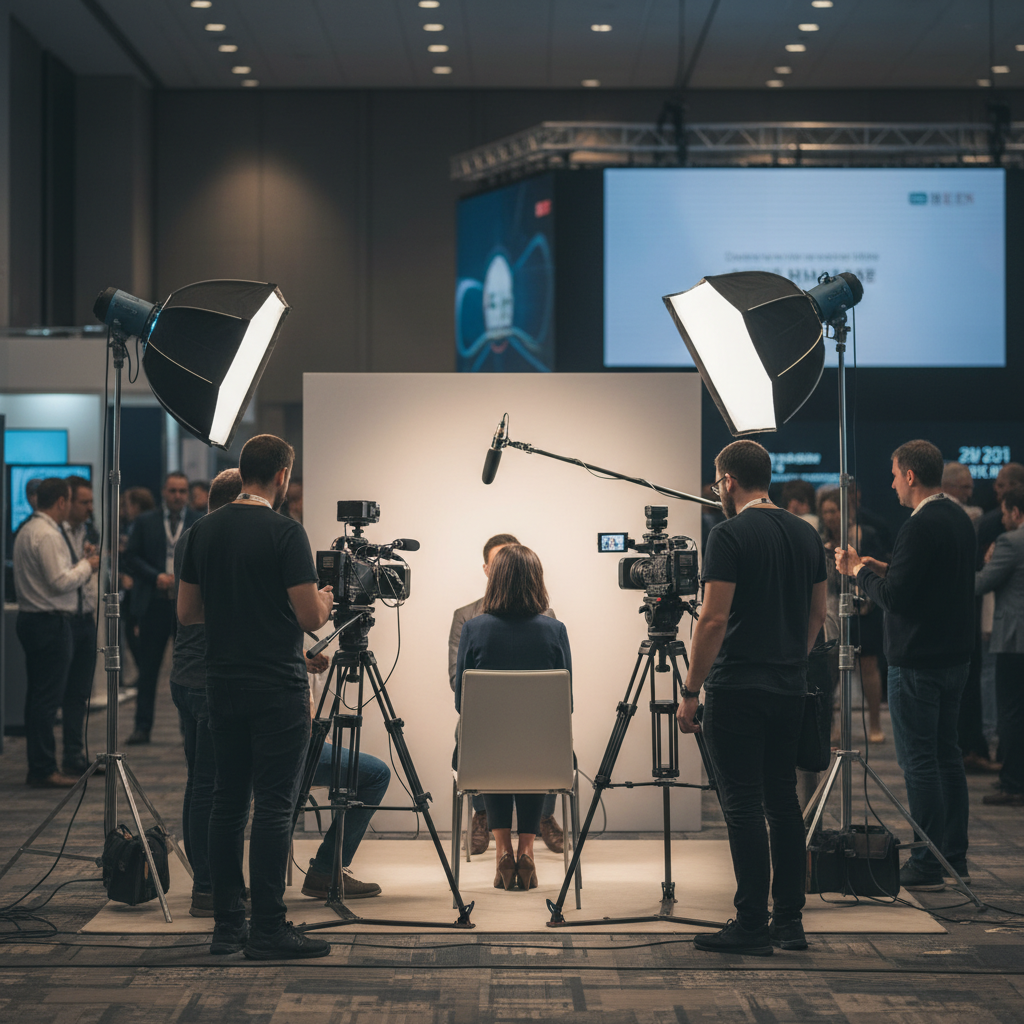
Done well, event video becomes reusable content you can plug into nurture sequences, sponsorship decks, recruiting campaigns, and future event promos. For a deeper look at how Setsail plans, films, and edits for campaigns, explore our video production services.
Why conferences & corporate events need a video strategy
From one weekend to year round content
Conferences, retreats, town halls, and user summits often cost six or seven figures once you factor in production, travel, and time away from day to day work. Without a strategy for video, all that value peaks over two or three days and then disappears.
A thoughtful plan for corporate event video production flips the script: keynotes become a webinar series, breakout sessions turn into snackable clips for social, and sponsor activations become proof points in next year’s sales deck.
Proving ROI to leadership and sponsors
- For sponsors: on screen logo visibility, branded interviews, and recap videos that live on their own channels.
- For sales: objection busting clips from panels, customer testimonials, and product demos filmed on site.
- For HR/internal comms: culture focused highlight reels that help with recruitment and engagement.
Independent benchmarks back this up: recent analyses from sources like Zebracat and Wyzowl report that roughly nine in ten marketers see positive ROI from video and many say it directly improves lead quality and sales. When you can tie numbers like that to your own event footage, it becomes much easier to justify and grow the program for future years.
This is where strategy beats “just film everything.” You’re not paying a crew to be a fly on the wall; you’re investing in assets that make future sales conversations easier.
Serving audiences before, during, and after the event
Event video should support the full journey:
- Before: teaser clips, “why attend” sizzle videos, and sponsor shoutouts to drive registrations.
- During: daily recaps, speaker sound bites, and behind the scenes moments for social.
- After: edited sessions, on demand hubs, and targeted clips for sales and account managers.
At Setsail, we often pair event video work with conference marketing and promotion so the footage doesn’t just look good it supports the same goals as your ad spend and email campaigns.
The 5 pillars of a smart event video strategy
At Setsail, we use a simple planning tool we call the 5 Pillar Event Video Strategy Framework. It keeps everyone aligned on why you’re filming, who each asset serves, and how footage will be used after the event.

1. Start with business goals and KPIs
Before anyone rolls a camera, decide what this content should do for the business and how you’ll measure it.
- What business problem should this content help solve?
- Which teams will use the footage (marketing, sales, HR, leadership)?
- Which metrics will define success leads, meetings booked, sponsor renewals, or content engagement?
2. Map content to the attendee journey
Think about the different audiences at your event prospects, customers, partners, sponsors, executives and the specific stories each group needs.
- Prospects: case studies, demos, and thought leadership clips.
- Customers: success stories, “behind the scenes” with your team, roadmap sessions.
- Sponsors/partners: branded activations, interviews, session shoutouts.
3. Design formats around your channels
Plan how each major session will be sliced before you get on site. A single keynote might become:
- A full length on demand replay for your resource hub
- Three 90 second clips for LinkedIn
- Two 20 to 30 second vertical videos for Instagram or TikTok
- One “key insight” pull quote graphic for email
Planning formats upfront helps your crew work faster in capture and edit. Reports like HubSpot’s 2024 Video Marketing Report show that short form video delivers top ROI, and Setsail’s in house Marketing Lab and studio are built to turn raw footage into finished assets in hours, not weeks.
4. Plan for on site workflow and approvals
The biggest headache at events isn’t usually filming it’s approvals and access. A bit of structure here keeps content moving.
- Pre clear release language so speakers and attendees know what they’re signing.
- Set up a Slack or Teams channel for quick same day approvals.
- Assign a point person from your team to walk the crew through key rooms and VIPs.
On site approval rules of thumb:
- Name one decision maker per day and a backup.
- Pre agree which assets need review versus auto approval.
- Set response time expectations such as 30 minutes for Slack or Teams approval threads.
- Give your video partner clear guardrails on topics or speakers that always need review.
When approvals move this quickly, you unlock same day recaps, sponsor shoutouts, and highlight reels that can go live while the event is still happening dramatically increasing reach and perceived value.
5. Build a post event distribution plan
The event ends. What happens next? Plan distribution before you arrive on site.
- Create a simple content calendar for 4 to 12 weeks of clips and recaps.
- Group videos by persona (prospects, customers, sponsors, internal) and funnel stage.
- Decide which assets become gated content versus public social posts.
To keep things manageable, outline a four to eight week publishing plan your team can actually ship. For many conferences, an approach like this works well:
- Week 1 – Sponsor recap and thank you: Deliver sponsor recaps and photos, publish a highlight reel, and send a thank you email.
- Weeks 2–4 – Persona clips: Release two to three clips per week tailored to prospects, customers, and partners case study snippets, product demos, and thought leadership sound bites.
- Weeks 5–8 – Next event promos: Start seeding “save the date” posts and ads built from your best footage, plus speaker testimonials that make it easy for people to say yes to the next event.
Pair this with an updated nurture sequence or refreshed landing pages and loop in any performance marketing partner early so new videos support pipeline and campaigns can launch right after the event.
Practical examples: What to film at your next conference
Not sure where to start with your shot list? Here’s a simple framework you can hand to your internal team or production partner.
Main stage moments
- Opening and closing keynotes
- Major product announcements or demos
- Panels or fireside chats with customers or partners
Breakouts and expo floor
- Short excerpts from popular breakout sessions
- Busy booths and sponsor activations
- Hands on product demos or workshops

People stories and testimonials
- Customer interviews about their results
- Speaker sound bites answering one key question
- Attendee reactions and “why I come back every year” clips
Behind the scenes
- Your team setting up and collaborating
- Speaker prep and green room moments
- Casual networking and hallway conversations
At the 2024 B Corp US & Canada Champions Retreat, Setsail used this framework to capture interviews, highlight reels, and on site stories that doubled as long term content. From one multi day event, B Lab USA generated over 1 million social impressions, 85% attendee social participation, and more than 50 edited videos plus 200+ photos results similar to our adventure and destination video work.
How to choose an event video production partner
Plenty of teams can show up with cameras. The question is: who will help you turn footage into measurable outcomes?
- Strategy first mindset: Do they ask about goals, audiences, and distribution plans in the first meeting?
- Integrated marketing support: Can they plug video into email, landing pages, and ads, not just hand off files?
- In house editing capacity: Can they deliver next day recaps and quick turn social clips during the event?
- Clear deliverables and pricing: Do you know exactly how many edits, formats, and revisions are included?
- Proof of similar work: Can they show portfolio examples from conferences, retreats, or corporate events?
For mid market brands and public sector organizations, it often makes sense to work with a partner who already combines video, paid media, and analytics. That’s why Setsail offers event marketing and videography packages alongside transparent video pricing, so your conference content and campaigns share one strategy and one dashboard.
Questions to ask a corporate event video production company
- How will you measure success for this event video work, and which KPIs will you report on after the event?
- What usage rights do we receive for the raw footage and finished edits, including how long we can use them and on which channels or ad platforms?
- What are your standard turnaround times for same day recaps, social clips, and final deliverables once the event wraps?
- What crew size do you recommend for our agenda and venues, and who will act as the on site lead for your team?
- How do you handle on site approvals for speakers, attendees, and sponsors so that content can still move quickly?
FAQ:
How much does event video production cost?
Pricing depends on crew size, shoot days, locations, and how many edits you need. Industry benchmarks for corporate event video pricing often put professional day rates in the $1,000 to $3,500 range, and Setsail’s professional video packages give you a clear starting point.
When should we start planning video for our event?
Aim to bring your video team into the conversation at least 8 to 12 weeks before the event so there’s time to align on goals, secure speaker permissions, and coordinate with your marketing calendar for pre and post event promotion.
Can we reuse last year’s footage?
Yes, as long as the content is still accurate and permissions are in place. Many brands blend legacy footage like crowd shots and evergreen testimonials with fresh material so each year’s conference has its own flavour without starting from zero.
Should we keep event video in house or work with an agency?
In house teams are great for quick, scrappy clips, while agencies add scale, specialized equipment, and strategic planning. Many organizations split the difference: internal teams capture low lift content, and a partner like Setsail handles core sessions, story design, and editing for high impact assets that support campaigns all year.
Jason Atakhanov
April 13, 2026
Recent Posts:

How to Build a Social Media Marketing Team for Growth
A step by step guide on how to build a social media marketing team, including hiring priorities, content operations, and performance tracking that gives an actual growth.
A Complete Guide to Corporate Video Production: Strategy, Process & ROI
Learn how corporate video production works, from strategy, storyboarding to filming, plus how to measure real ROI for your business.
Video Production Process: Guide for Marketing Teams
A complete guide to the video production process from pre production strategy to post production delivery, so your marketing team can execute with confidence.